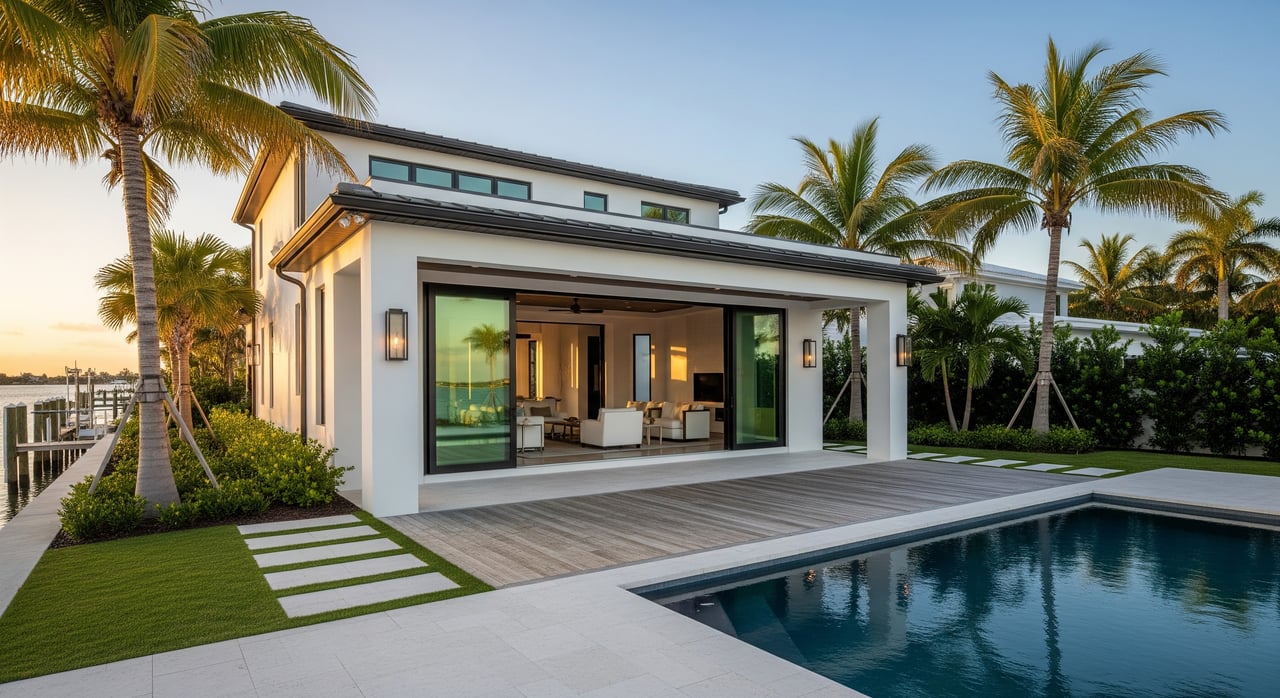
Thinking about buying in St. Pete but not sure where to start? You’re not alone. The city’s mix of waterfront living, walkable neighborhoods, and a thriving arts scene draws many buyers, which can make the market feel competitive and a bit complex. In this guide, you’ll learn how inventory and timing work here, what to expect by price band, how condos differ from single-family homes, and practical steps to take before you tour. Let’s dive in.
Why St. Pete draws buyers
St. Petersburg blends waterfront access, year-round sunshine, and a lively downtown with dining and arts. That lifestyle appeal attracts relocations, retirees, and remote workers. Regional population inflows across Florida also support demand, which you feel in popular neighborhoods close to downtown and the water.
Citywide data tells only part of the story. Prices, days on market, and competition vary a lot by neighborhood and property type. For live local stats, review monthly reports from Stellar MLS and statewide updates from Florida Realtors.
Inventory and timing basics
Entry-level inventory in St. Pete is often tight, especially for updated single-family homes near downtown and the water. Higher price points and some condo segments tend to offer more choices. Seasonally, new listings often rise in late winter and spring, though the pattern is less extreme than in colder markets.
If you want the most accurate snapshot before you tour, check fresh listings and months of supply through Stellar MLS and compare them with broader trends from Florida Realtors.
Days on market, in real life
Days on market (DOM) depends on location, price, and condition. Well-priced homes in high-demand areas like Old Northeast, downtown, or Snell Isle can move quickly. Condos or homes farther from the core can take longer, and upper-tier price bands typically have more breathing room. Remember, a citywide median DOM can hide hot pockets and slower segments. For current DOM in your target area, pull a recent snapshot through Stellar MLS.
Competition by price band
- Entry level. This is usually the most competitive band, with more buyers and investors. You’ll want a strong preapproval, fast decision-making, and a clear offer strategy on price and contingencies.
- Mid-market. Competition varies by neighborhood and home condition. Updated homes can still sell quickly. Your leverage on inspection and timing may depend on how long the property has been listed.
- Upper tier. You often see less bidding pressure, but quality, lot location, and waterfront characteristics drive value. Be ready for unique due diligence such as seawall condition or appraisal gaps.
Condo vs. single-family: what to know
Buying a condo in St. Pete is different from buying a house. Beyond the mortgage, you’ll budget for HOA or condo fees that cover insurance for common areas, reserves, amenities, and management. Those fees affect affordability and loan approval, so factor them into your monthly budget.
After 2021, Florida added stricter inspection and safety standards for many condo buildings, which increased transparency and, in some cases, repair costs. When you evaluate a condo, request the association’s reserve study, recent engineering or structural reports, meeting minutes, and any notices about litigation or special assessments. Lenders can be cautious with associations that have low reserves, high investor ratios, or active lawsuits, so early document review helps you avoid financing delays.
Single-family homes come with different trade-offs. You control maintenance and usually avoid shared association risks, but you may face a higher price for comparable space and more upkeep. Waterfront lots can carry additional insurance and storm-prep considerations.
Insurance and coastal risk
Flood and wind coverage are core parts of the Florida cost picture. Many St. Pete addresses fall within FEMA flood zones, and lenders typically require flood insurance in mapped zones. To get ahead of surprises, check your target property’s flood zone using the FEMA Map Service Center and secure quotes early. For big-picture updates on insurance market conditions and consumer guidance, use the Florida Office of Insurance Regulation.
Two smart moves before you write an offer: obtain an elevation certificate if applicable and get preliminary quotes for both homeowners and flood coverage. For some waterfront or low-lying homes, these premiums can materially change your monthly payment.
Neighborhood quick tour
St. Pete’s neighborhoods offer distinct choices. Use the city’s maps and profiles to explore options and nearby public projects on the City of St. Petersburg site.
- Downtown, Waterfront, Warehouse Arts District. Primarily condos, lofts, and select waterfront homes. You’ll find high walkability, dining, and arts venues. Condos dominate supply here, so pay close attention to HOA health and flood considerations.
- Old Northeast, Snell Isle. Historic single-family homes and upscale condos with tree-lined streets and premium pricing. Inventory can move quickly when homes are well priced and updated.
- Shore Acres and nearby waterfront pockets. Single-family homes near or on the water. Boating access is a draw. Review flood zones, elevation, and insurance closely.
- Historic Kenwood and Crescent Lake. Smaller single-family homes and bungalows with historic charm. Renovation activity is common, so compare updates, permits, and recent comps.
- Grand Central and Central Avenue corridor. A mix of houses and smaller condos next to a strong retail and dining scene. Expect active street life and ongoing change.
- Inland areas like Tyrone and East Lake. More varied pricing and, at times, more inventory than waterfront neighborhoods. Often a fit if you prioritize yard space and overall value.
What to do before you tour
A little prep can make your first tour day count.
- Get fully preapproved, not just prequalified. Sellers expect proof of funds or a lender letter. Keep your lender on standby for quick updates.
- Ask for condo or HOA documents early. Request reserve studies, meeting minutes, and insurance summaries to spot any red flags.
- Check flood zones and price insurance. Use the FEMA Map Service Center, then get quotes for homeowners and flood coverage before you offer.
- Know your price band. Look at recent sales within the last 30 to 90 days in your target neighborhood through Stellar MLS. This sets realistic expectations on timing and competition.
- Review property taxes and records. For parcel-level details, prior assessments, and exemptions, search the Pinellas County Property Appraiser.
Offer and negotiation tips
Your offer strategy should match the segment you’re in.
- In competitive entry-level deals, consider stronger earnest money, a clean timeline, and a realistic appraisal plan. Escalation clauses are common, but the details matter.
- Keep inspection protections, but be thoughtful on timing. Older coastal homes can carry hidden issues. Skipping inspections can be risky.
- Align with your lender on appraisal, condo approval, and closing speed. Getting underwriting questions answered early can win you the deal.
St. Pete due diligence checklist
Use this quick list to stay organized.
- Flood zone status and elevation certificate for low-lying or waterfront homes.
- Recent survey, especially for waterfront or unclear boundaries.
- HOA or condo health: reserve study, engineering reports, minutes, and any special assessments.
- Roof, windows, and hurricane protections. Note ages, permits, and wind mitigation features.
- Sewer type. Most of St. Pete is on municipal sewer, but verify.
Relocation and financing notes
If you are buying from out of state or targeting upper-tier properties, plan ahead.
- Jumbo financing may be needed for high-end waterfront homes. Loan terms and documentation vary, so start early.
- Ask for virtual tours and digital signing options. Many local providers offer remote-friendly closing workflows.
- Choose a team experienced with remote buyers. You want clear communication, quick scheduling, and tight coordination among lender, title, and insurance.
How we help buyers
You deserve an advocate who knows the micro-markets and the process details that shape pricing and risk in St. Pete. Our boutique team provides hands-on guidance, from narrowing neighborhoods to reviewing HOA documents and coordinating insurance quotes. We are bilingual and relocation friendly, and we tailor strategies by price band so your offer stands out without overreaching.
Ready to map your plan, learn your true budget, and tour the right homes with confidence? Connect with Yari Balmaseda to schedule a free consultation.
FAQs
Is St. Pete a buyer’s or seller’s market right now?
- It depends on your neighborhood and price band, so check current local data through Stellar MLS and recent reports from Florida Realtors.
How do condos and houses compare for risk in St. Pete?
- Condos are not inherently riskier, but association reserves, inspections, and insurance can affect financing and resale, so review HOA documents and reports in detail.
How much should I budget for flood and wind insurance in St. Pete?
- Costs vary by address and elevation; verify your flood zone via the FEMA Map Service Center and request quotes early to refine your budget.
What time of year has more St. Pete listings?
- New listings often rise from February to April, though seasonality is moderate; watch monthly updates from Stellar MLS.
Which St. Pete areas are best for walkability and nightlife?
- Downtown, the Warehouse Arts District, Grand Central, and parts of Old Northeast offer strong walkability; confirm current neighborhood details on the City of St. Petersburg site.
Where can I verify property records and taxes in Pinellas County?
- Search the Pinellas County Property Appraiser for parcel records, assessed values, exemptions, and tax history.