Torn between Hyde Park and greater South Tampa? You are not alone. Both offer a coveted Tampa lifestyle, but they feel different on price, pace, and daily routine. In this guide, you will see a clear, side-by-side comparison so you can match your budget and priorities with the right neighborhood fit. Let’s dive in.
Hyde Park and South Tampa at a glance
Hyde Park is a compact, historic neighborhood just west of downtown. Common boundaries include Kennedy Boulevard to the north, Bayshore to the east and south, and Armenia Avenue to the west, with Hyde Park Village and the SoHo corridor at its core. It is known for walkability and a classic architectural mix. You can read more about its history and boundaries on the Hyde Park page on Wikipedia.
Greater South Tampa is the broader peninsula south of Kennedy Boulevard and north of the Gandy corridor. It includes Hyde Park plus Palma Ceia, Davis Islands, Ballast Point, Bayshore Beautiful, and many smaller pockets. Because “South Tampa” covers many micro-markets, market stats vary widely by the exact area. Treat it as a group of neighborhoods rather than a single market.
Housing styles and price bands
Hyde Park homes and pricing
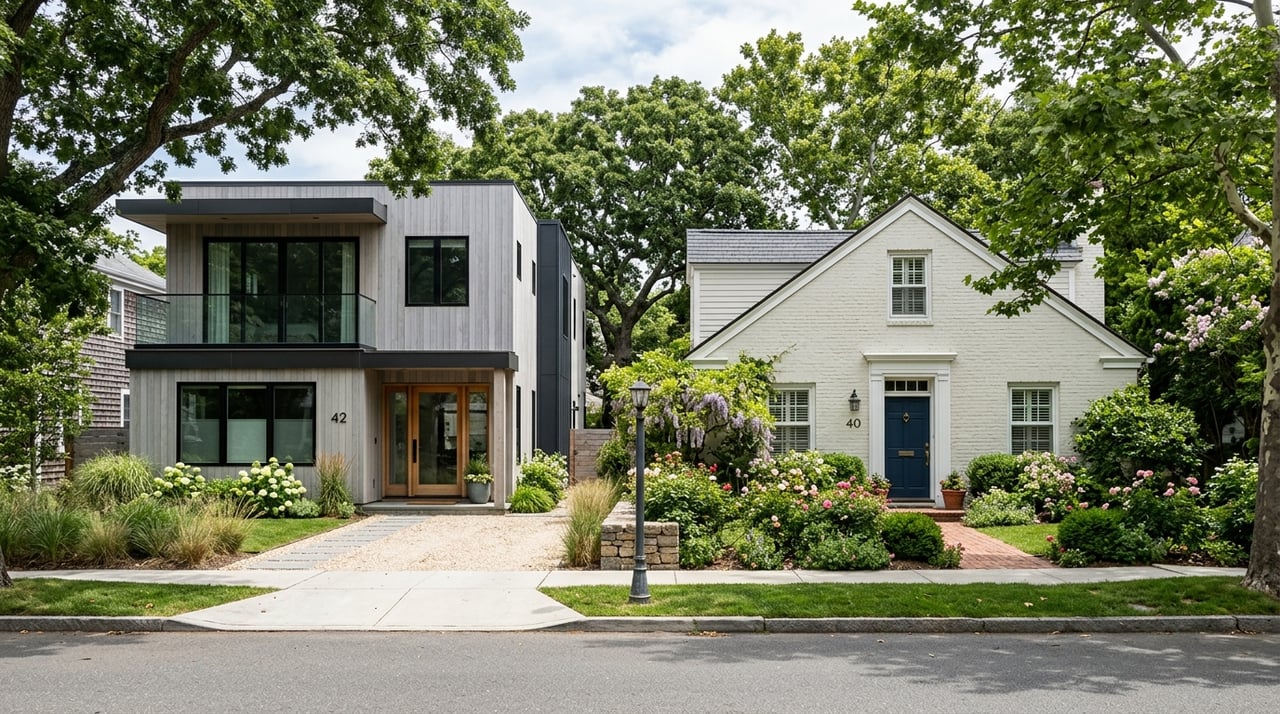
Hyde Park features restored Craftsman bungalows, Mediterranean and Colonial styles, plus selective new infill and condos near Bayshore. Many homes sit within a short walk of Hyde Park Village shops and SoHo dining, which supports demand and pricing. The neighborhood is one of the priciest pockets in South Tampa, with vendor snapshots in early 2026 showing a median sale price a little over 1.0 million dollars and a high price per square foot. Inventory is tight, and renovated homes or lots suited to new construction tend to draw strong interest.
What that means for you:
- Expect higher entry prices and strong per-square-foot values.
- Renovated properties and homes near Bayshore often command a premium.
- Walkability is a standout feature for many addresses in the core.
South Tampa variety and medians
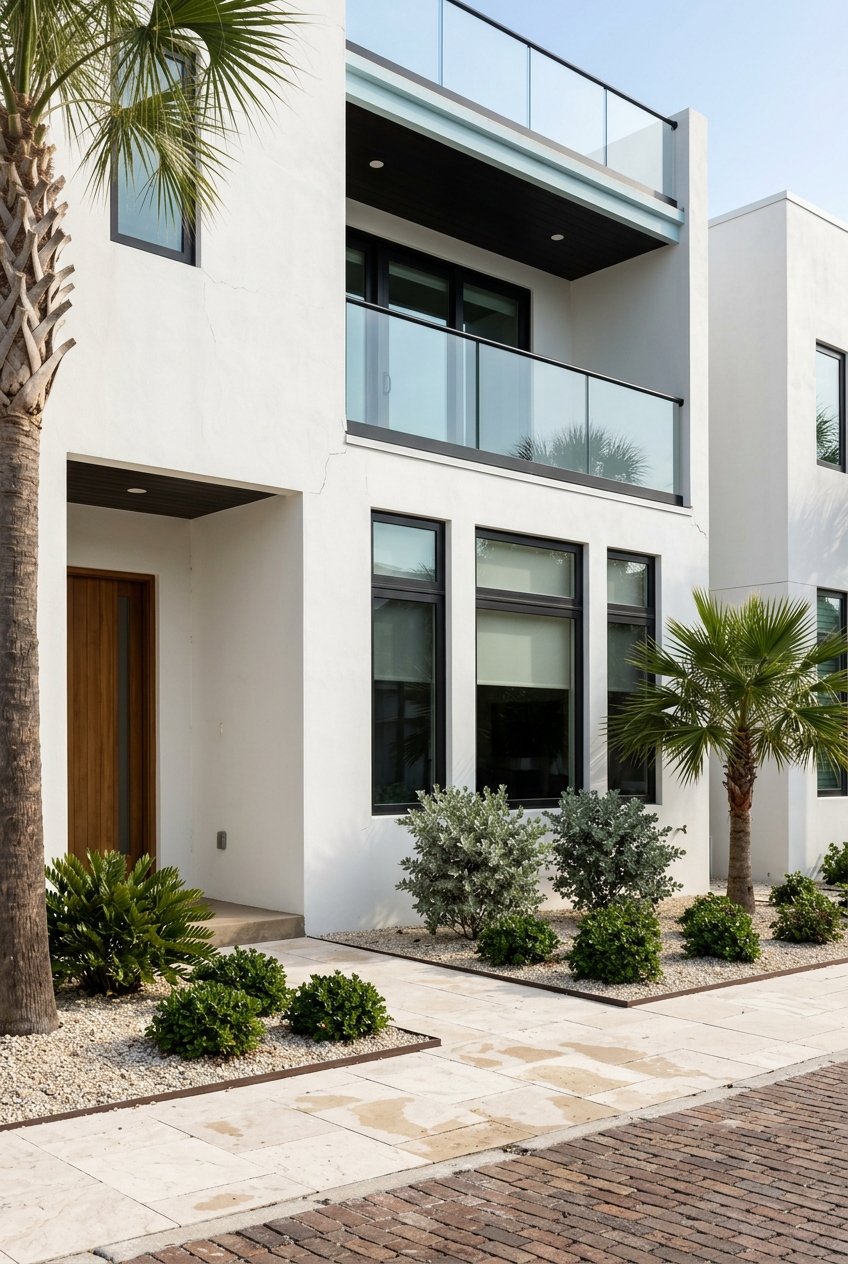
South Tampa as a whole offers broader price points and home types. You will find historic streets in Palma Ceia, island and waterfront living on Davis Islands, mid-century homes and larger lots in inland pockets, and multi-million-dollar estates along the water. Recent vendor ranges for the broader South Tampa market often fall around the 700,000 to 800,000 dollar median, with price-per-square-foot figures reported in the mid-300s to low-400s. Exact numbers shift by definition and time window.
What that means for you:
- You have more options by price, style, and lot size than in Hyde Park.
- Micro-markets can skew the median. Waterfront and Bayshore blocks often run well above the South Tampa average, while inland areas like Ballast Point can be lower.
- Compare neighborhood-level comps, not just a South Tampa aggregate.
Schools and attendance zones
Many buyers consider the Henry B. Plant High School attendance area when they shop central South Tampa. Plant consistently appears among the higher-rated Hillsborough County high schools in third-party guides like GreatSchools. Elementary and middle school assignments vary by pocket, and two homes a few blocks apart can fall into different zones.
How to approach schools wisely:
- Verify attendance zones with the district before you make an offer.
- Compare recent sales within the same school zones for an apples-to-apples view.
- Remember that school boundaries, while stable, can update over time, so re-check during your search.
Commute and transportation
Major routes serving Hyde Park and central South Tampa include Kennedy Boulevard, Bayshore Boulevard, Dale Mabry Highway, the Lee Roy Selmon Expressway, and Gandy Boulevard for cross-bay access. Hyde Park’s proximity to downtown often translates to short drives to core office towers, with airport access generally straightforward via Dale Mabry or the Selmon. Traffic, events, and bridge conditions can change travel times, so test your own commute at peak hours.
Transit and non-car options are more limited outside the downtown core. HART provides county bus service and the downtown streetcar connects the Channel District, Ybor, and central downtown. If you want walkability and easier access to transit connections, you may prefer Hyde Park, SoHo, or near-downtown islands. Learn more about local service on the HART blog.
Lifestyle trade-offs
Hyde Park lifestyle
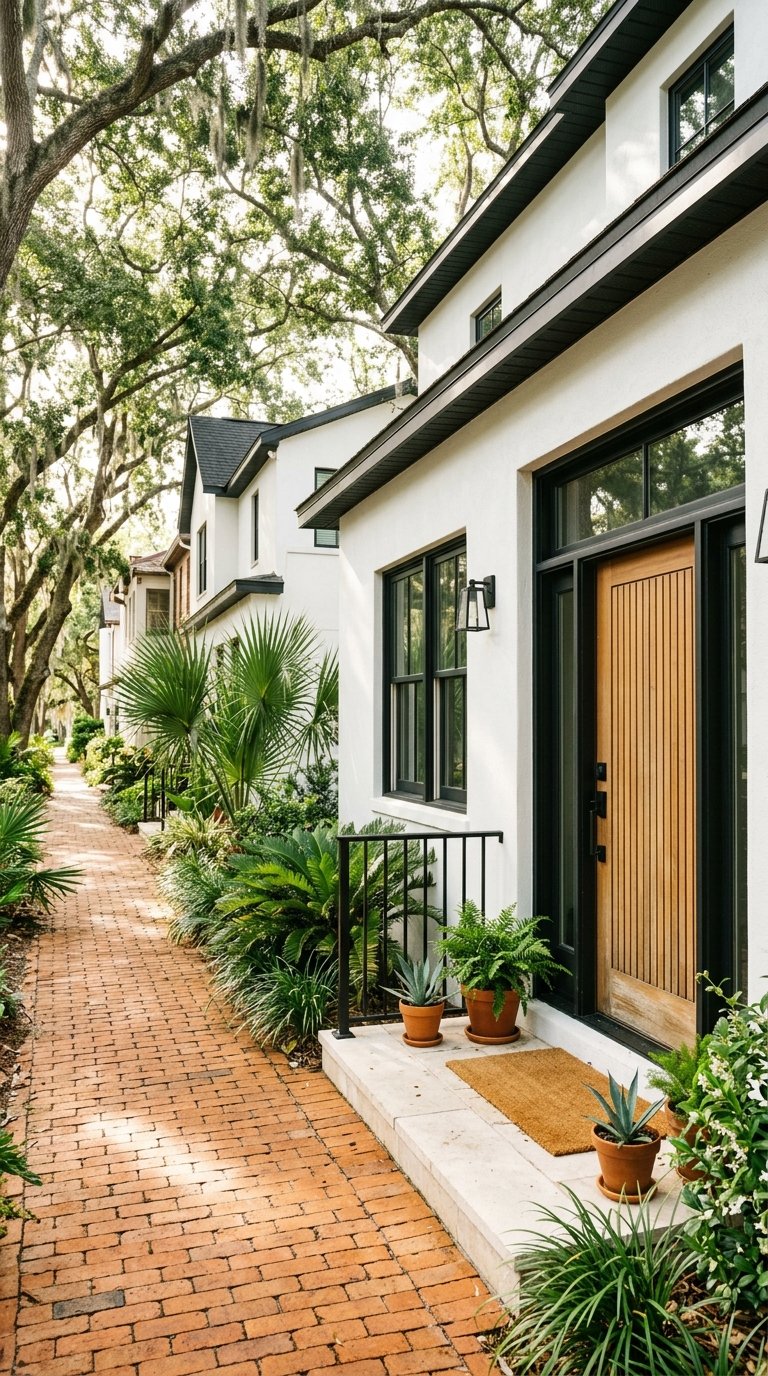
Hyde Park shines for everyday convenience. You are steps from boutiques and cafes in Hyde Park Village, lively SoHo restaurants, and the Bayshore Linear Park waterfront path for runs and sunset walks. This amenity-dense setting is a big reason many buyers prioritize Hyde Park even with higher prices. Explore the retail and setting via the Hyde Park Village overview on Wikipedia.
South Tampa lifestyle range
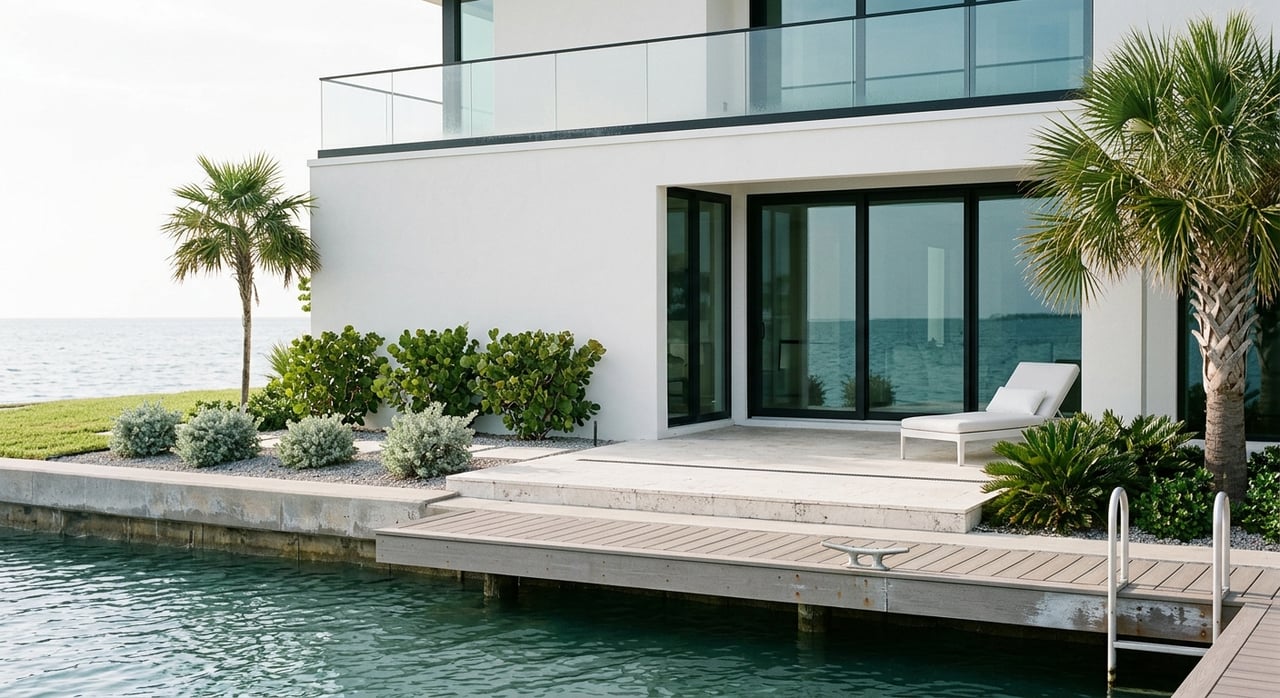
The greater South Tampa peninsula offers more choice. You can trade walkability for a larger yard, a quieter street, or water access. Think parks and playgrounds in inland pockets, marinas and boating near the islands, and private club options in select neighborhoods. Your decision comes down to what you want within 10 minutes of your door: a coffee-and-bike routine, a bigger backyard, or dock-and-boat convenience.
Risks, costs, and long-term value
Flood risk and insurance
Low-lying bayside blocks, including parts of Bayshore, Davis Islands, and Ballast Point, face tidal flooding risk and sea level rise exposure. Regional planning documents identify South Tampa bayside areas as vulnerable under mid-century scenarios. Review local assessments such as the Hillsborough County and City of Tampa survey on the Peril of Flood Act to understand the context (planning survey on Scribd). For each property you consider, confirm the FEMA flood zone, ask for an elevation certificate when available, and price out flood insurance and mitigation.
Taxes and ownership costs
Hillsborough County’s property tax process applies countywide, but your bill will vary by assessed value, exemptions, and any special assessments. Use the Hillsborough County Property Appraiser to review parcel history and exemptions (HCPA site). For payment timelines and millage context, see the Tax Collector’s overview (property tax cycle).
Market pace and negotiation
Local reporting in 2025 and early 2026 points to more price adjustments and some buyer leverage compared with the 2020 to 2023 peak. Well-priced, move-in-ready homes still attract attention, while overpriced listings may sit longer. For a recent view on discounts and list-to-sale patterns, see Axios Tampa Bay’s coverage.
How this shapes long-term value
- Hyde Park: Limited land and steady demand for renovated homes help support values. If a home is updated and not in a higher-flood subzone, it tends to hold value well in normal market cycles.
- South Tampa overall: Opportunities range from high-appreciation island and Bayshore pockets to more mid-range inland areas. Long-term performance depends on the exact block, elevation, and school zone. Due diligence at the block level is essential.
How to choose your best fit
Use these quick decision points to narrow your search:
- Budget and size: If your budget aligns with a seven-figure median and you prize walkability and charm, shortlist Hyde Park. If you want more space or yard at a wider range of prices, expand into greater South Tampa.
- Daily routine: Prefer to walk to coffee, dinner, and the Bayshore path? Hyde Park may feel right. Want a larger lot, quieter setting, or boating options? Explore inland pockets and the islands.
- Schools: If specific attendance zones matter, confirm addresses early and compare comps inside the same zones.
- Commute: Map your peak-hour route to downtown, Westshore, TPA, or St. Pete. If you want the shortest drive to downtown, central Hyde Park has an edge.
- Renovation vs. new: Hyde Park has many renovated homes and some new infill on smaller lots. South Tampa offers more new-build options across different lot sizes, including larger inland parcels.
- Risk profile: Check flood zones and elevations for any bayside address, and price out insurance and mitigation.
Quick buyer checklist
- Confirm the current FEMA flood zone for each address and request elevation certificates when available.
- Review parcel history, assessed value, and exemptions on the Hillsborough County Property Appraiser site.
- Estimate property tax timing and payments via the Hillsborough County Tax Collector.
- Verify public school attendance zones directly with the district before you go under contract. For general context, see the Plant High School profile.
- Pull 6 to 12 months of closed comps specific to the micro-neighborhood and school zone you care about.
- For condos and HOAs, review reserve studies, special assessments, and rental rules.
Ready to explore homes on the ground?
If you want a hands-on plan to compare Hyde Park and South Tampa by price, commute, schools, and risk, we can help. From block-level comps to flood and tax due diligence, our boutique team will guide you through each step with care. Connect with Yari Balmaseda to schedule a Free Consultation and start touring with clarity.
FAQs
What defines Hyde Park compared to the rest of South Tampa?
- Hyde Park is a compact, historic neighborhood west of downtown with common boundaries at Kennedy, Bayshore, and Armenia, and a walkable core around Hyde Park Village and SoHo. See the Hyde Park overview for context.
How do home prices in Hyde Park compare to broader South Tampa?
- Vendor snapshots place Hyde Park’s median above one million dollars, while broader South Tampa often ranges around 700,000 to 800,000 dollars depending on the time window and definition. Compare block-level comps for decisions.
Which public high school serves much of central South Tampa?
- Many central South Tampa addresses fall within the Henry B. Plant High School attendance area. Always verify the specific address with the district. For context, review the Plant High School profile.
What are the main commute routes in South Tampa?
- Most residents use Kennedy Boulevard, Bayshore Boulevard, Dale Mabry Highway, the Lee Roy Selmon Expressway, and Gandy for cross-bay trips. Transit is limited outside downtown; see HART’s updates on the HART blog.
How can I check flood risk for a home in South Tampa?
- Review the property’s FEMA flood zone, request an elevation certificate, and confirm insurance quotes. Regional planning materials flag bayside exposure; see the Peril of Flood assessment for area context.
Where can I find property tax and assessment details for a specific address?
- Use the Hillsborough County Property Appraiser for parcel data and exemptions, and the Tax Collector’s property tax cycle to understand billing and timelines.