Trying to choose between a sleek new townhome and a porch-front historic house in Tampa Heights? You are not alone. For many buyers, this decision comes down to how you want to live day to day, how much upkeep you want to take on, and what kind of home experience feels right for you. This guide breaks down the real tradeoffs in Tampa Heights so you can compare new construction and historic homes with more confidence. Let’s dive in.
Tampa Heights Offers Two Very Different Home Styles
Tampa Heights is one of Tampa’s oldest residential neighborhoods, with homes in the local historic district dating from the late 1800s through the mid-1940s. The district is mostly single-family residential, but it also includes churches, a school, a fire station, and commercial buildings. Around 300 structures contribute to the area’s historic character, while 184 are considered noncontributing.
That history matters when you shop here. In Tampa Heights, you are often choosing between modern infill construction and restored older homes that reflect the neighborhood’s original architecture. Both can be appealing, but they tend to fit different priorities.
New Construction in Tampa Heights
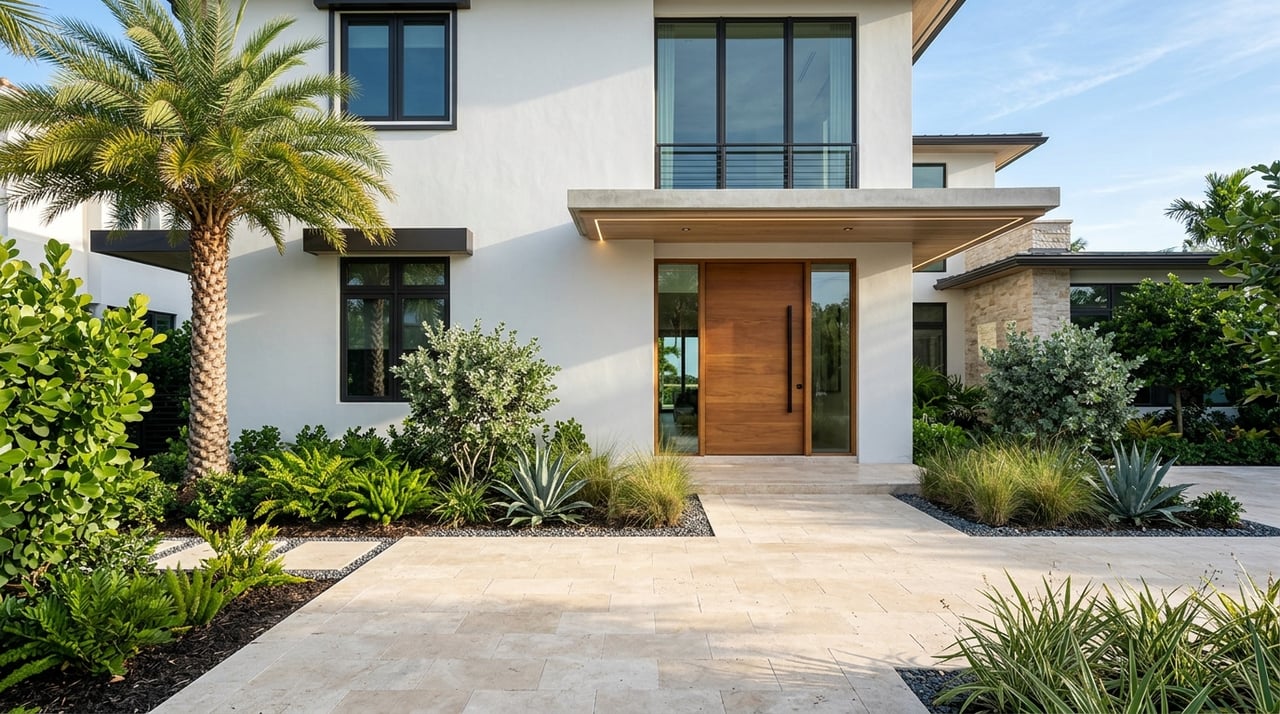
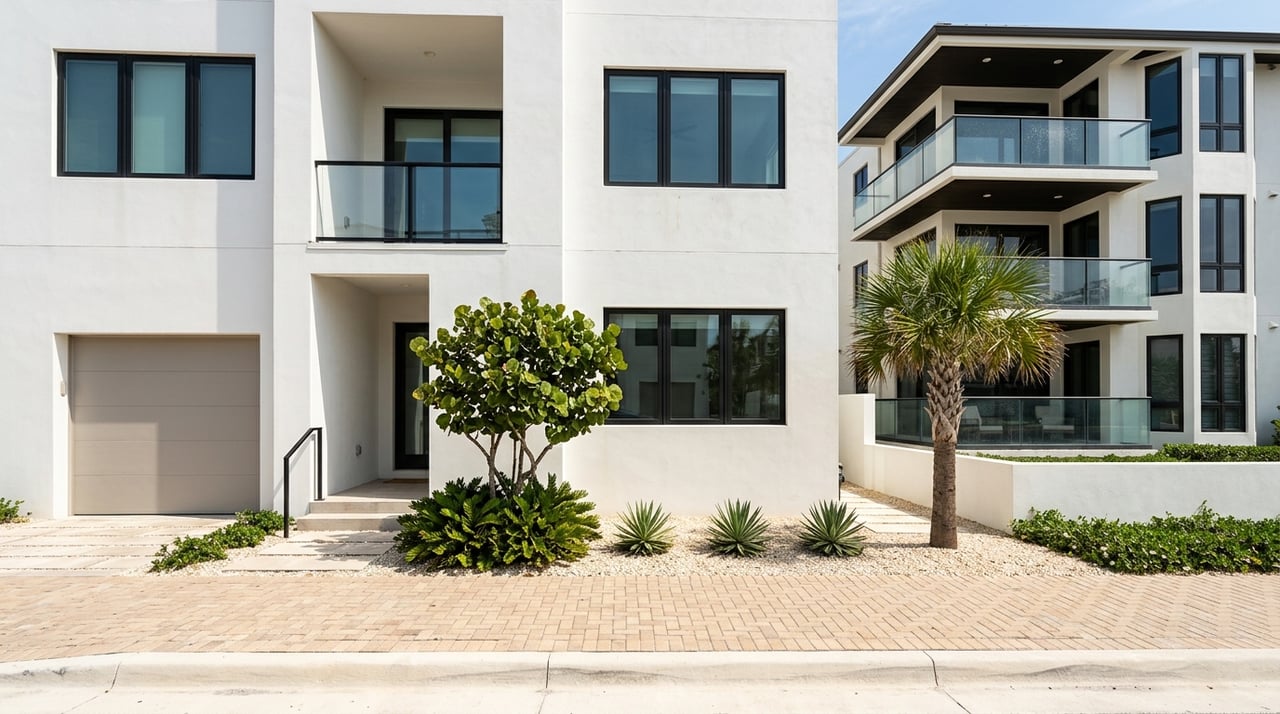
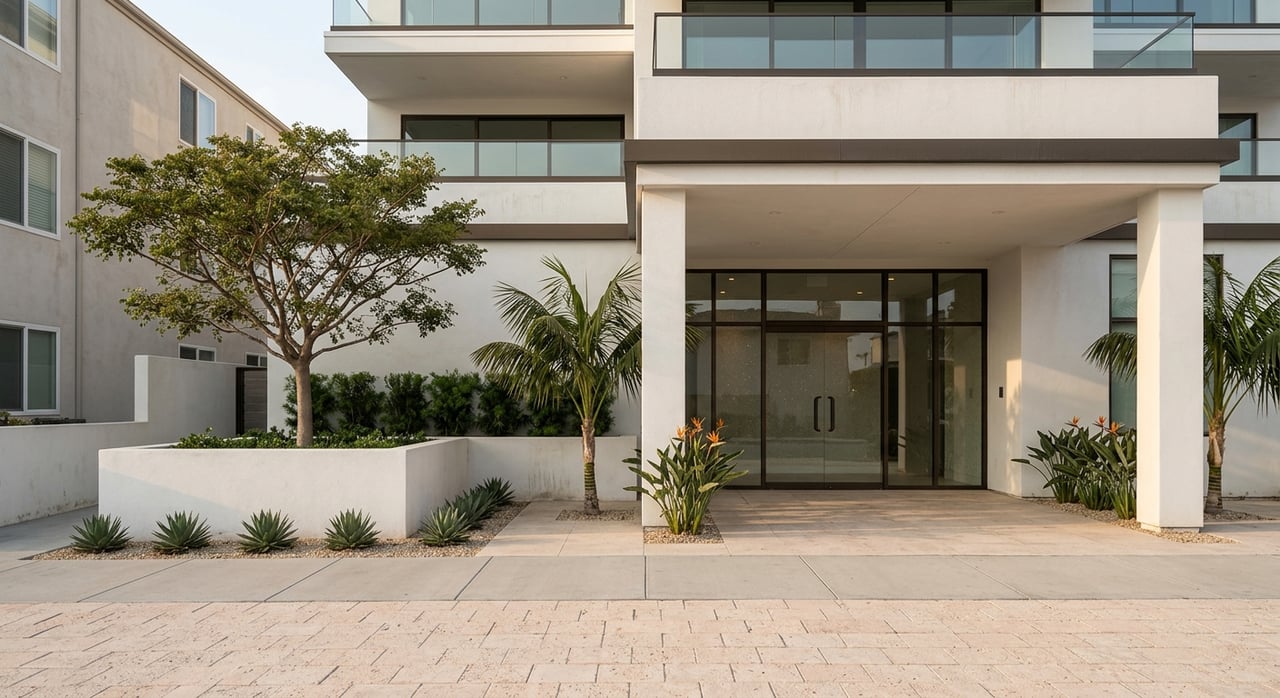
Most new construction options in Tampa Heights show up as townhomes or attached infill homes. Current examples listed in the neighborhood range from the mid-$600,000s to the mid-$1 million range. These homes often focus on maximizing space with vertical layouts and modern finishes.
One active example on W Columbus is a 2026-built townhome with more than 2,300 square feet, 3 bedrooms, 3.5 baths, a rooftop terrace, and a 2-car oversized garage. It also includes impact glass windows and doors, energy-efficient systems, and a monthly HOA fee. That combination reflects a common new-build formula in Tampa Heights: modern living, newer systems, and lower immediate upkeep, usually on a smaller lot.
What New Construction Often Looks Like
If you are comparing new-construction options in Tampa Heights, you will often see features like:
- Three-or-more-story layouts
- Open floor plans
- En-suite bathrooms
- Attached 2-car garages
- Rooftop terraces or balconies
- Modern finishes
- HOA fees
- Smaller outdoor spaces
For some buyers, that setup feels turnkey and easy to manage. For others, the multi-level layout or attached-home style may not be the ideal fit.
Historic Homes in Tampa Heights
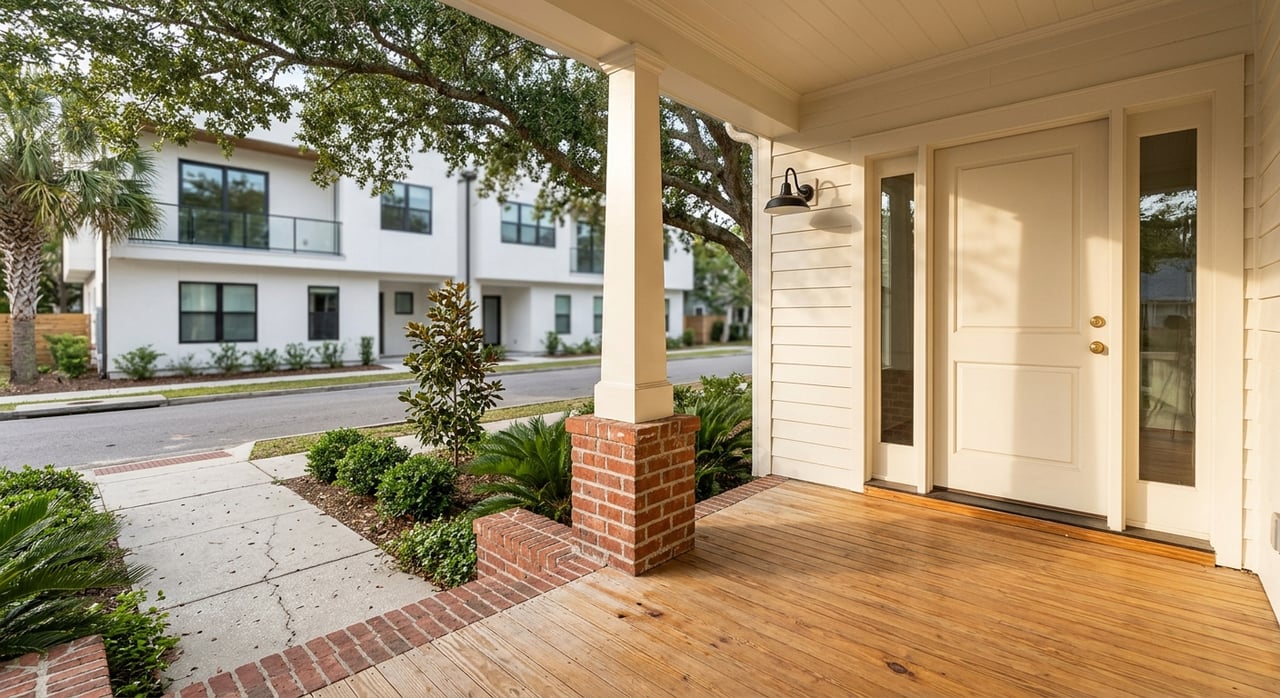
Historic homes in Tampa Heights are often bungalows or wood-frame vernacular homes built roughly between 1910 and 1925. You can also find Craftsman, Colonial Revival, Queen Anne, Tudor Revival, and Mediterranean Revival styles. These homes tend to offer architectural details that are hard to replicate in newer construction.
Recent listings help show what restored historic living can look like. A 1926 bungalow on W Amelia Avenue was listed with a wraparound porch, updated kitchen, screened porch, fenced yard, and major system updates including a 2021 roof, 2024 HVAC, and 2025 electrical panel. Another historic home on W Euclid Avenue featured high ceilings, wood floors, fireplaces, a formal dining room, attic storage, and rear parking.
What Historic Homes Often Offer
Historic homes in Tampa Heights may appeal to you if you value:
- Front porches and outdoor charm
- Original wood floors or trim
- Traditional room layouts
- High ceilings
- Fireplaces
- Larger or more varied lot setups
- Distinct architectural character
In many cases, these homes offer a different living experience than new townhomes. The appeal is often less about convenience and more about atmosphere, detail, and neighborhood identity.
Maintenance Is One of the Biggest Differences
One of the clearest tradeoffs is maintenance. New construction usually starts with a newer roof, HVAC, windows, doors, and insulation, which can reduce near-term replacement costs. In a newer townhome, you may have fewer immediate projects to think about.
Historic homes can be well maintained and beautifully updated, but they often require a more active ownership mindset. Older homes may need phased improvements over time, especially around roofs, HVAC systems, insulation, air sealing, and windows. In Tampa Heights, that difference is often best understood as new envelope versus preserved envelope.
Historic District Rules Matter Too
If a home is in the local historic district, changes are not always as simple as they would be elsewhere. Tampa’s preservation process requires review for changes in local historic districts, and work in the district generally requires a Certificate of Appropriateness. The city’s guidelines favor repairing historic features rather than replacing them, and replacement materials are expected to match the originals when replacement is necessary.
That does not mean owning a historic home is difficult. It does mean you should go in with clear expectations if future updates are part of your plan.
Layout and Daily Living Feel Very Different
How a home lives can matter just as much as price. New construction in Tampa Heights often emphasizes vertical living, open gathering spaces, and private bedroom suites across multiple floors. If you like a contemporary layout and do not mind stairs, that style may feel efficient and low friction.
Historic homes usually follow more traditional patterns. You may find porches, formal rooms, staircases, attics, and one-story or low-rise layouts that separate spaces more clearly. For buyers who love character and a less uniform floor plan, that can be a major plus.
Ask Yourself These Lifestyle Questions
When comparing the two, it helps to ask:
- Do you want open-concept living or more defined rooms?
- Are multiple flights of stairs a fit for your daily routine?
- Would you rather have a rooftop terrace or a classic front porch?
- Do you want a garage attached to the home?
- Are you comfortable taking on updates over time?
Your answers can quickly point you toward the right category.
Energy Efficiency Usually Favors New Builds
In general, newer homes have the edge on efficiency. Florida’s current building code is the 2023 Florida Building Code, effective December 31, 2023. New construction is typically built to more current standards, which can help lower day-to-day operating friction.
By contrast, many older homes were built in a different era and may have less insulation than homes built today. Window performance can also affect energy use in older properties, especially if original materials have been preserved. A historic home can still become more efficient, but it often takes planning and investment over time.
Price in Tampa Heights Depends on More Than Age
In Tampa Heights, price is not simply about old versus new. Size, finish level, lot, and street all matter. That is why you can see overlap between the price of restored historic homes and newer townhomes.
As a broad benchmark, Redfin’s May 2026 Tampa Heights data shows a median sale price of $592,301, 25 homes sold, and 45 median days on market. Realtor.com’s April 2026 summary shows a $555,000 median listing price, 83 active listings, and 79 days on market. For the Tampa Heights Historic District single-family category, Realtor.com shows 15 active homes with a $585,000 median listing price.
New vs Historic Price Positioning
Here is the practical takeaway:
- New-construction townhomes in Tampa Heights are currently running from the mid-$600,000s to the mid-$1 million range.
- Historic single-family homes have a wider spread, from lower entry points to fully renovated homes that can compete with new-build pricing.
- Heavily restored historic homes can command strong prices when updates, size, and presentation align.
That wider pricing range is one reason historic homes can attract different types of buyers. Some see them as a way to enter the neighborhood at a lower price point, while others are looking for a fully updated character home.
Permits and Design Review Can Affect Your Decision
If you are planning to personalize the home after closing, the approval process deserves attention. In Tampa Heights, new construction in the local historic district must go through preliminary Architectural Review Commission review before construction documents are completed. For historic homes, additions and exterior changes must generally be compatible in size, scale, color, material, and character.
This is especially important if your wish list includes major exterior work. Before you buy, it helps to understand whether your renovation ideas fit within the local preservation framework.
Which Home Type Fits You Best?
If you want current systems, modern design, impact glass, and lower near-term maintenance, new construction may be the better match. It can be a strong choice if you value convenience, attached parking, and a more turnkey ownership experience.
If you want porches, architectural detail, traditional layouts, and more variety in price and home style, a historic home may feel more rewarding. It can be a great fit if you appreciate original character and are comfortable with a more hands-on approach to maintenance or upgrades.
Neither option is automatically better. In Tampa Heights, the right answer usually comes down to how you balance convenience, charm, cost, and long-term plans.
If you want help comparing homes in Tampa Heights block by block, pricing by pricing, reach out to Yari Balmaseda for a personalized consultation.
FAQs
What is the main difference between new construction and historic homes in Tampa Heights?
- New construction usually offers newer systems, modern layouts, and lower near-term maintenance, while historic homes often offer porches, architectural details, and more traditional floor plans.
Are historic homes in Tampa Heights subject to special rules?
- Yes. Homes in the local historic district generally require review for changes, and work often requires a Certificate of Appropriateness under Tampa’s preservation process.
Are new construction homes in Tampa Heights mostly townhomes?
- Many current new-construction options in Tampa Heights are townhomes or attached infill homes with vertical layouts, garages, and modern features.
Is new construction more energy efficient in Tampa Heights?
- In general, yes. Newer homes are typically built to current code standards, while older homes often need retrofits such as insulation, air sealing, or window improvements to boost efficiency.
Are historic homes cheaper than new construction in Tampa Heights?
- Not always. Historic homes have a wider range of price points, and fully restored examples can reach pricing similar to newer townhomes depending on size, finishes, lot, and location.
What should buyers in Tampa Heights consider first when choosing between old and new?
- Start with your daily lifestyle needs, comfort with maintenance, preferred layout, and renovation plans. Those factors usually matter more than age alone.