Trying to choose between a townhome and a condo in Hyde Park? At first glance, the decision can seem simple: pick the layout you like best and move forward. But in Hyde Park, that choice is often about much more than architecture. You are really deciding how much maintenance, fee exposure, and exterior control you want in one of Tampa’s most walkable, historic neighborhoods. Let’s dive in.
Why Hyde Park changes the decision
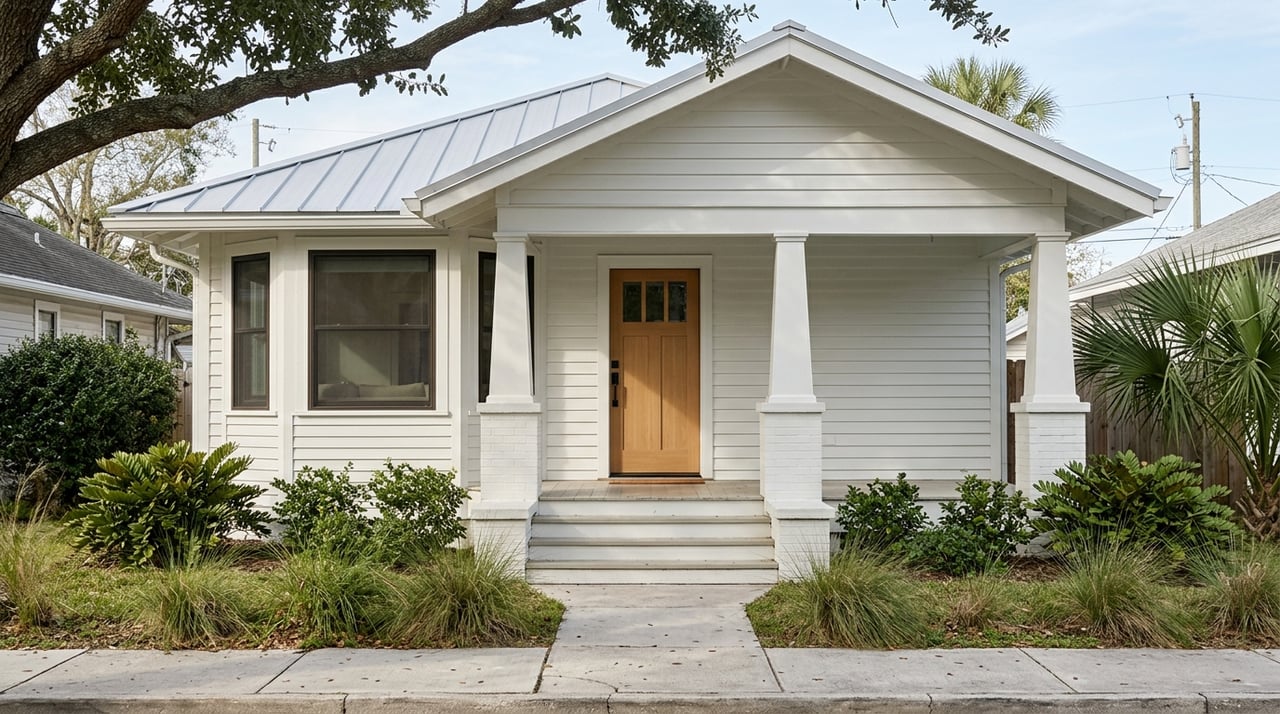
Hyde Park is not a typical suburban neighborhood where ownership choices feel more predictable. The City of Tampa describes Historic Hyde Park as Tampa’s oldest existing neighborhood, just west of downtown across the Hillsborough River, with a mix of historic and modern housing, access to Bayshore Boulevard, and proximity to Old Hyde Park Village.
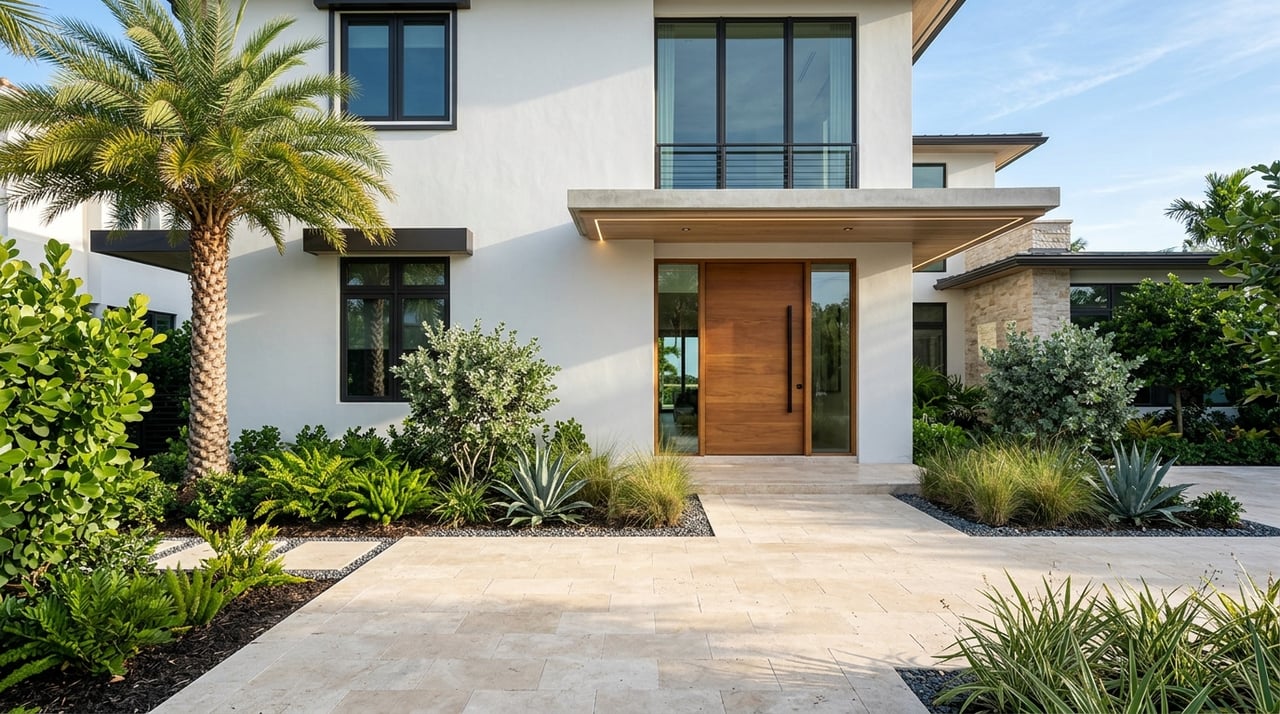
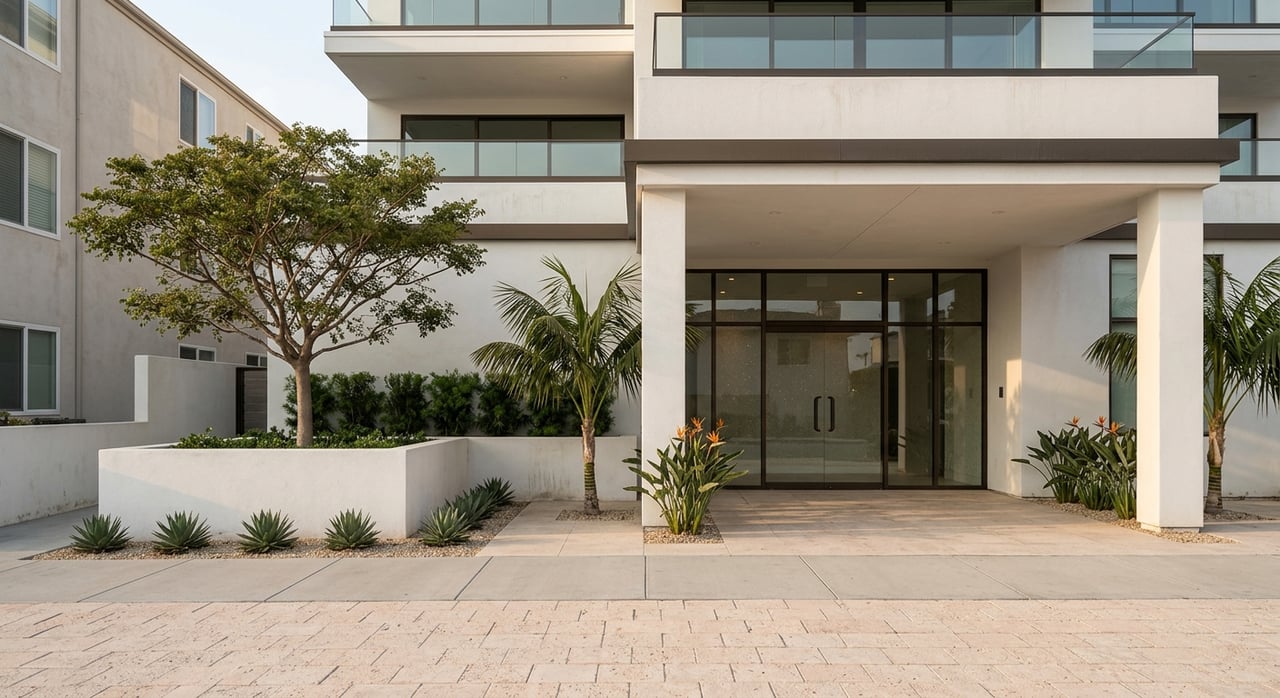
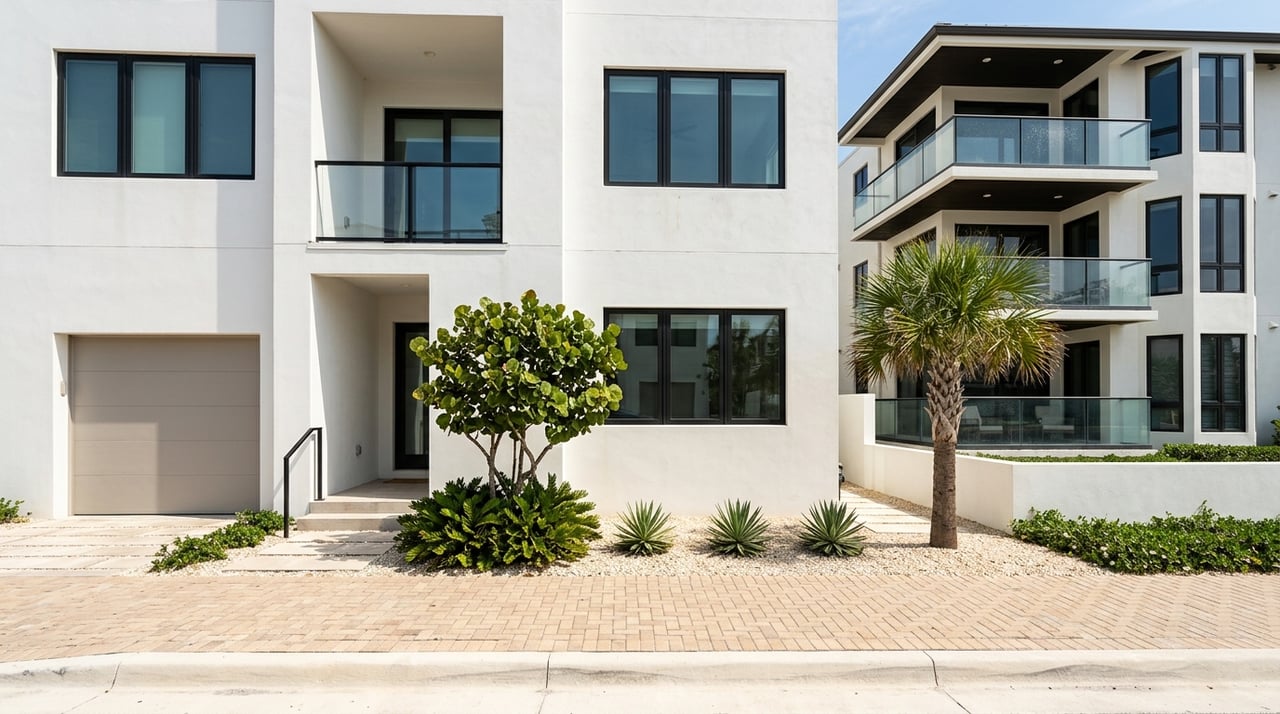
That setting matters because many buyers here are choosing between ownership types in a dense, urban, walkable area. You may find renovated older homes, low-rise multifamily properties, and townhome-style buildings close together. In Hyde Park, what a property looks like from the street does not always tell you what you are actually buying.
Townhome vs condo in Florida
In Florida, a condo and a townhome are not always opposites. Under state law, a condominium is a form of ownership where you own your unit and also share an undivided interest in the common elements. A homeowners association, or HOA, typically applies to separately conveyable parcels within a community, with assessments tied to the parcel and common areas owned or maintained by the association.
That means a townhouse-style home can actually be legally organized as a condominium. It can also be part of an HOA parcel community. If you are shopping in Hyde Park, the legal structure matters more than the exterior style.
Why legal structure matters
The ownership form affects your day-to-day experience in several ways. It can shape what you maintain, what the association maintains, how assessments work, and how much control you have over exterior changes.
A condo often comes with more shared responsibility for common elements. An HOA townhome often feels closer to single-family ownership because the parcel-based structure can give you more direct ownership interest in the home and lot. Still, HOA communities can have strong rules and enforcement powers, so more autonomy does not mean no restrictions.
How maintenance usually differs
For many Hyde Park buyers, maintenance is the biggest deciding factor. If you want a more hands-off ownership experience, a condo may be appealing because exterior responsibilities are often handled through the association.
That convenience comes at a price. Your monthly dues may reflect not only routine maintenance but also reserve planning, inspections, and future repairs. In some condo buildings, especially older or taller ones, that can make the long-term cost picture more important than the sticker price.
A townhome in an HOA community may offer more control, but you may also carry more direct responsibility. The exact split depends on the governing documents, so it is essential to confirm who handles the roof, exterior walls, windows, landscaping, and other major components before you commit.
Why condo fees may feel higher
Florida condo law includes more detailed reserve and disclosure requirements than many buyers expect. Condo associations must prepare annual budgets. For residential condominium buildings that are three habitable stories or higher, the law also requires a structural integrity reserve study at least every 10 years.
That study must cover major building components such as the roof, structure, fireproofing and fire protection systems, plumbing, electrical systems, waterproofing and exterior painting, and windows and exterior doors, along with other high-cost items that affect structural integrity. For you as a buyer, this means condo fees may reflect more than amenities. They may also reflect mandatory planning for major repairs.
Milestone inspections matter too
Florida also requires milestone inspections for condominium or cooperative buildings that are three habitable stories or more, generally when the building reaches 30 years of age and every 10 years after that. In some local conditions near salt water, the trigger may be 25 years.
If you are considering a condo in Hyde Park, this can have a real impact on your budget. Monthly dues, reserve contributions, or special assessments may be shaped by these inspection and repair obligations.
How HOA townhomes handle reserves
HOA communities in Florida work differently. They must prepare an annual budget and annual financial report, but reserve accounts are optional unless the governing documents or the membership require them.
If reserves are not included, the law requires a clear warning that the budget does not provide reserve accounts for capital expenditures and deferred maintenance, which could lead to special assessments. For you, that means a lower monthly HOA fee is not always the better value. It may simply mean less money is being set aside for future repairs.
Hyde Park’s historic district can affect both
In Hyde Park, the decision is not only about fees and maintenance. The neighborhood also has a local historic district overlay, and the Hyde Park Historic District was expanded on January 5, 2023, adding 184 buildings in designated areas.
The Architectural Review Commission, or ARC, helps ensure development follows city design guidelines and the Secretary of the Interior’s Standards for Rehabilitation. Those guidelines address items such as screen enclosures, scale and massing, materials and trim, facade proportions, window patterns, entrances and porch projections, roof forms, and fences and walls.
What that means for you
If a property sits within the local historic district, exterior changes may involve more review than you expected. Repairs, additions, and visible exterior work may require ARC review and a Certificate of Appropriateness.
This is a key point for buyers deciding between a condo and a townhome in Hyde Park. Even if a townhome gives you more ownership control than a condo, that does not automatically mean you can make exterior changes freely. In this neighborhood, city historic-preservation oversight can be just as important as association rules.
Questions to ask before you choose
The right fit often becomes clearer when you ask the right questions early. Here are the most important ones to answer before making an offer:
- Is the property legally a condominium or part of an HOA parcel community?
- What does the association maintain, and what are you responsible for maintaining?
- Are there current budgets, financial statements, and reserve documents to review?
- If it is a condo building of three stories or more, are milestone inspection and structural integrity reserve study documents available?
- Is the property inside the Hyde Park local historic district?
- Will exterior repairs, updates, or additions need city review?
- What do the rules say about parking, pets, leasing, and approval requirements?
These questions can help you compare two properties that may look similar on the surface but function very differently once you own them.
When a condo may be the better fit
A condo may make more sense if your top priority is simpler exterior upkeep. If you want a more lock-and-leave lifestyle in a walkable Hyde Park location, condo living can be attractive.
You may also prefer a condo if you are comfortable with a shared ownership structure and understand that monthly dues may reflect reserve funding, inspections, and building-wide maintenance obligations. The tradeoff is often less direct control over exterior decisions.
When a townhome may be the better fit
A townhome may be a better choice if you want more space and a stronger sense of direct ownership. In an HOA parcel community, that can translate to more autonomy than a condo, even though you still need to follow community rules and pay assessments.
In Hyde Park, though, it is smart to look at the full picture. A townhome can still come with HOA restrictions, and if it is in the historic district, exterior work may also need city approval. That is why the best choice is usually not just about property type. It is about the level of responsibility and control you are comfortable with.
A simple way to decide
If you feel stuck, focus on three things: maintenance, fee risk, and exterior freedom. Those are usually the real drivers behind the condo-versus-townhome choice in Hyde Park.
Ask yourself:
- Do you want the association to handle more of the exterior work?
- Are you comfortable with monthly dues that may reflect long-term reserve and inspection obligations?
- Do you want more say over the property, even if that means more responsibility?
- Are you comfortable navigating HOA rules and possible historic district review?
When you answer those questions honestly, the right direction often becomes much easier to see.
If you want help comparing specific Hyde Park properties, reviewing ownership structure, or narrowing down the right fit for your lifestyle, Yari Balmaseda can guide you through the details with clear, local insight.
FAQs
What is the main difference between a Hyde Park condo and a Hyde Park townhome?
- The biggest difference is usually the legal ownership structure, which affects maintenance responsibility, association fees, and how much exterior control you have.
Can a Hyde Park townhome be legally classified as a condo?
- Yes. In Florida, a townhouse-style property can be legally organized as a condominium, so you should review the recorded declaration and association documents instead of relying on appearance alone.
Do Hyde Park condos have different inspection rules than townhomes?
- Yes. In Florida, condominium buildings that are three habitable stories or higher may be subject to milestone inspection and structural integrity reserve study requirements.
Are HOA reserves required for Hyde Park townhome communities?
- Not always. Florida HOA law requires an annual budget and financial report, but reserve accounts are optional unless the governing documents or membership require them.
Does Hyde Park’s historic district affect condo and townhome owners?
- It can. If a property is within the local historic district, exterior repairs, additions, or visible changes may require review by the City of Tampa’s Architectural Review Commission.
What documents should you review before buying a Hyde Park condo or townhome?
- You should review the association disclosure package, including the declaration, bylaws, rules, budget, financial statements, and any available inspection or reserve documents that apply to the property type.
How do you decide between a condo and a townhome in Hyde Park?
- Start by comparing maintenance responsibility, monthly fee structure, reserve planning, and how much exterior control you want in a historic, walkable Tampa neighborhood.