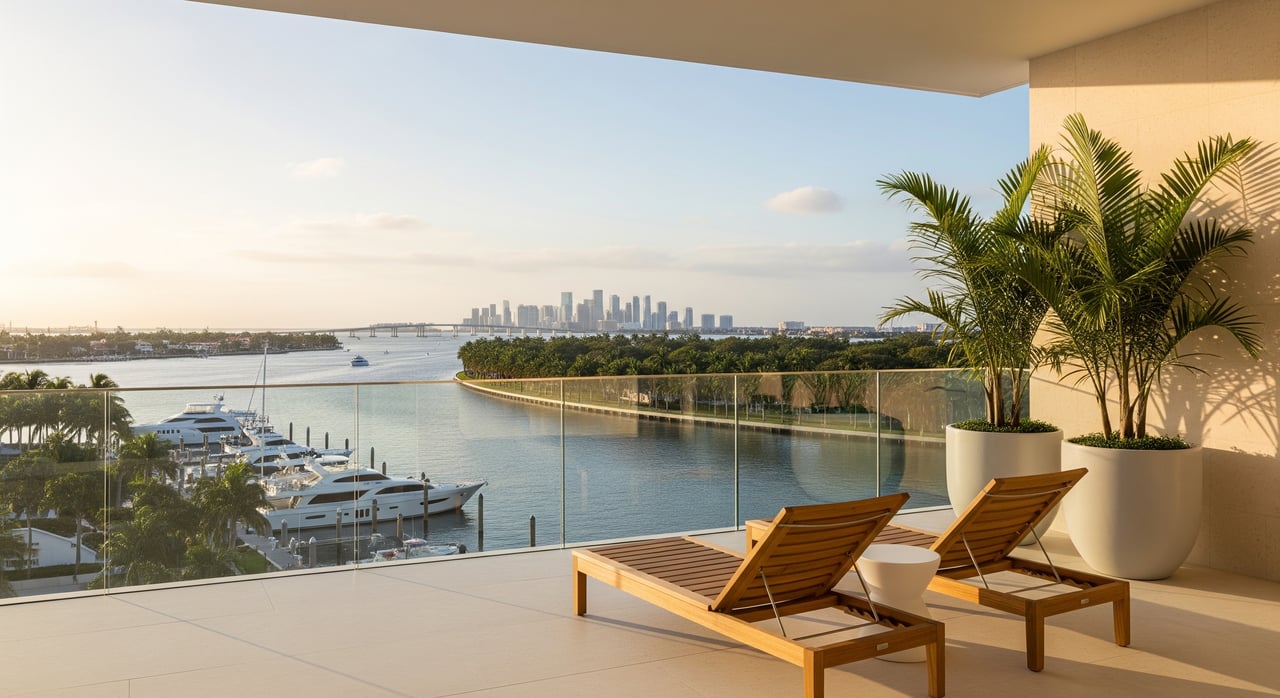
Love the idea of morning sun over the bay and an evening jog along a waterfront promenade? If you are weighing a move to Bayshore in South Tampa, you are likely seeking easy outdoor living with quick access to the city. In this guide, you will learn what day-to-day life feels like, how the commute works, where locals go for dining and errands, and what to expect from condos and single-family homes. Let’s dive in.
What and where is Bayshore
Bayshore refers to the neighborhoods along and near Bayshore Boulevard, the waterfront road that fronts Hillsborough Bay south of Downtown Tampa. Locals include nearby pockets such as Bayshore Beautiful, Bayshore Gardens, and adjoining areas like Hyde Park and Palma Ceia in the broader conversation.
You live within the City of Tampa in Hillsborough County. City services, county utilities, and the Hillsborough County school district serve the area. The setting is coastal and subtropical, with hot, humid summers and mild winters, which supports an active outdoor lifestyle for much of the year.
Waterfront access is a major draw, but it comes with coastal considerations. Some properties sit within FEMA-designated flood zones, and owners plan for storm surge, tidal flooding, and long-term sea-level rise. If you are new to Florida, this is normal due diligence in waterfront neighborhoods.
Waterfront lifestyle
Bayshore Boulevard’s bayfront promenade is the area’s signature amenity. You will see runners, walkers, and cyclists out daily enjoying panoramic views of the bay and the skyline. It is one of Tampa’s most popular public waterfront spaces for everyday fitness and casual meetups.
Parks and green spaces
Beyond the linear park along Bayshore, you can reach pocket parks in nearby neighborhoods and small municipal parks on Davis Islands with a short drive. These spots are popular for dog walking, open-air workouts, and relaxed weekend time outdoors.
Boating and water access
While Bayshore is primarily residential shoreline, marinas and public launch points are close by across the bayfront. You will find private marinas and transient slips on Davis Islands, around the Ballast Point area, and near Harbour Island and the Channelside district. Many Bayshore residents keep a boat at a nearby marina rather than behind the home.
Dining and retail nearby
Restaurants and shops are not lined up directly on Bayshore Boulevard. Instead, you walk or drive a short distance to nearby commercial clusters. Hyde Park Village and the South Howard corridor offer a range of cafés, restaurants, and boutiques. Palma Ceia adds neighborhood dining and services, and larger shopping centers and grocery stores across South Tampa round out daily errands.
Walkability and fitness culture
You will feel the outdoor energy here. The continuous waterfront walkway supports a strong running and cycling culture. Within-block walkability varies by street, so some errands may require a quick drive even if you are steps from the bay. Tampa’s bike infrastructure continues to improve, but Bayshore’s promenade is the primary informal bike and walk corridor in this part of South Tampa.
Housing options on Bayshore
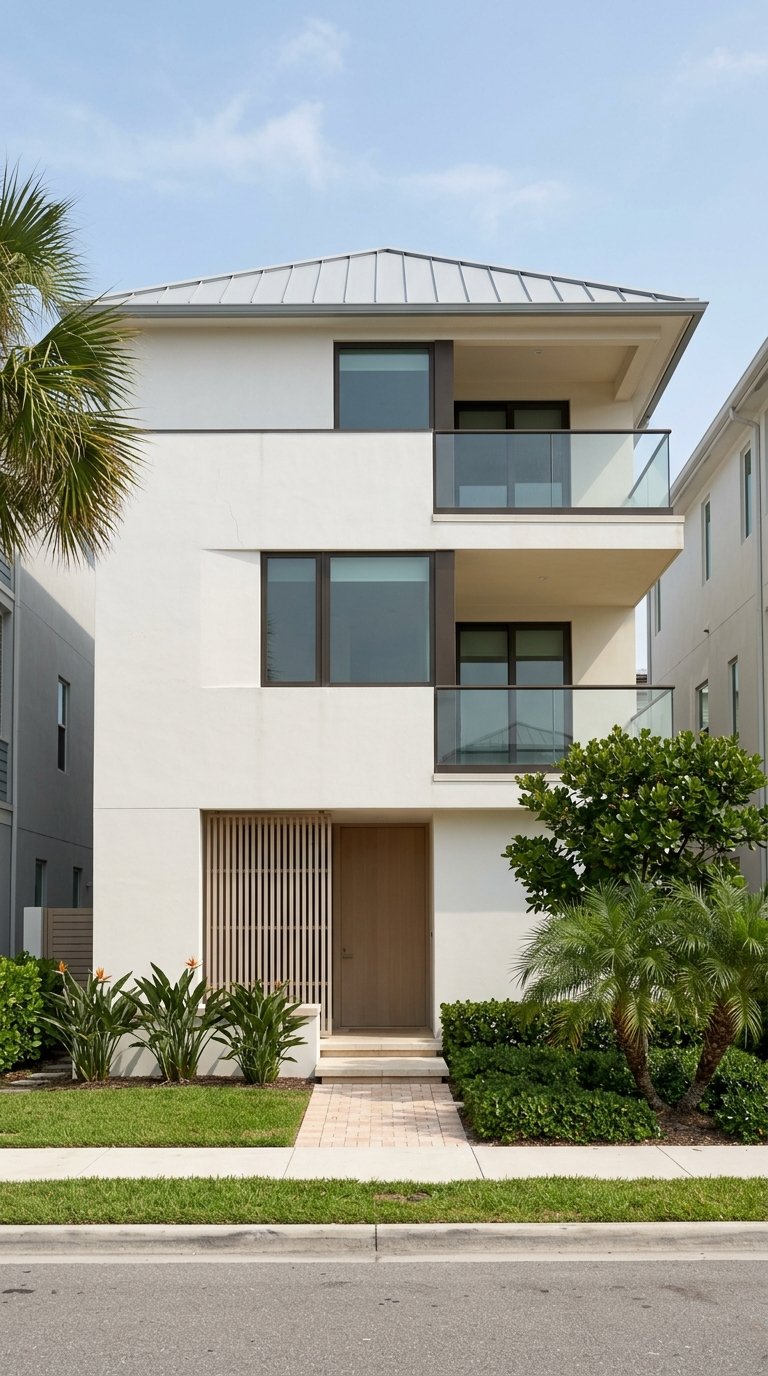
You will find a mix of historic single-family homes, newer infill, and low- to mid-rise condominiums. Closer to the boulevard, lots are often smaller, while interior blocks and adjacent neighborhoods may offer more traditional lot depths.
Condo living basics
Condos are popular for low-maintenance living with potential bay views.
- Pros: lower exterior maintenance, landscaping handled, possible amenities like secured entry and fitness rooms, and a chance at waterfront views without owning an entire structure.
- Cons: monthly HOA or condo fees, rules around renovations or rentals, potential limits on parking and storage, and resale tied to HOA financial health and building condition.
If you are condo-curious, plan to review the building’s reserve study, meeting minutes, insurance coverages, and any special assessments. In older buildings, recent capital projects matter for peace of mind and resale value.
Single-family living basics
Single-family homes deliver more control and space.
- Pros: private outdoor areas, freedom to renovate, more parking, and potential long-run appreciation.
- Cons: generally higher purchase prices in this location, full responsibility for maintenance, and direct exposure to property-level flood and wind risk.
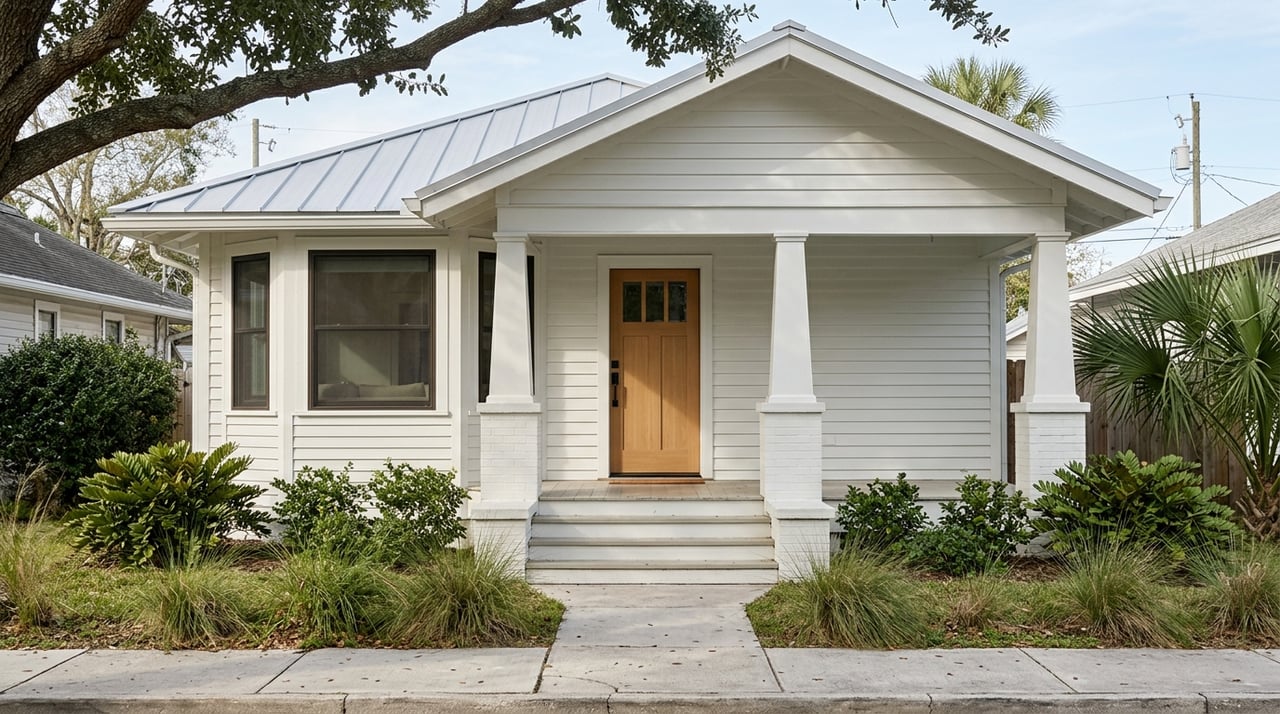
Architectural styles range from early 20th-century bungalows and revival homes to Mediterranean and Spanish influences, along with renovated and expanded properties updated over the past decade.
What drives price
South Tampa’s central location and waterfront setting lead to a price premium versus many other parts of the metro. On Bayshore, bay views, proximity to the promenade, building age and condition, and lot characteristics all influence value. Condominium pricing varies widely by exposure, updates, and amenities. Single-family homes close to the boulevard or with water vistas are often among Tampa’s more expensive properties.
Ownership costs to expect
Coastal ownership includes a few line items to budget carefully.
- Flood risk and insurance: If a property is in a FEMA-designated flood zone and you use a federally backed mortgage, flood insurance is typically required. Premiums vary by elevation, mitigation measures, and specific risk profile.
- Wind and hurricane coverage: Standard Florida policies reflect storm exposure. Buyers often evaluate wind mitigation features as part of inspections.
- HOA and reserves: In condos, healthy reserves help avoid large special assessments. Review the association’s financials, recent projects, and planned repairs.
- Taxes and ongoing costs: Florida has no state income tax. Property taxes and insurance are meaningful recurring expenses and scale with assessed value and coverage choices.
Commute and transportation
Bayshore offers central access to major employment cores. Downtown Tampa sits just a few miles away. The Westshore Business District lies to the west and northwest across several main corridors.
Typical drive times
Driving is the most common way to commute from Bayshore.
- To Downtown Tampa: often 7 to 15 minutes in off-peak periods. Peak rush hour can extend times depending on your exact start and end points.
- To Westshore: typically 12 to 25 minutes, with variability based on route and traffic conditions.
Common routes include Bayshore Boulevard connecting to cross streets, with east–west movement along Bay to Bay Boulevard and West Kennedy Boulevard. Westshore-bound trips often use Gandy Boulevard and Westshore Boulevard, with congestion near the I-275 and State Road 60 interchange during peak times.
Public transit and cycling
HART bus routes serve South Tampa, including connections to Downtown Tampa. Frequency and directness vary by route, so check current schedules when planning a commute. The TECO Line Streetcar links the Channelside and downtown areas but does not directly serve Bayshore Boulevard. Some residents bike to nearby commercial districts or select parts of downtown, though safe cycling for commuting takes route planning as bike lanes and shoulders vary by corridor.
Who Bayshore fits
Bayshore suits you if you want a daily dose of waterfront scenery, quick drives into downtown, and close access to Hyde Park, SoHo, and Palma Ceia for dining and errands. It is also a good fit if you value active living, with a built-in running and cycling path outside your door. If you prefer a quieter residential feel with fast access to urban amenities, this area checks that box.
If you need large lots, deep backyard space, or walk-to-every-errand convenience, you will want to target specific streets and adjoining neighborhoods that offer those traits. A local tour helps you sort block-by-block differences quickly.
How to start your search
- Clarify lifestyle priorities: bay views, a short walk to dining, a quieter block, or easy garage parking.
- Choose a housing path: condo for low maintenance and potential amenities, or single-family for privacy and flexibility.
- Budget ownership costs: request flood and wind insurance estimates and factor HOA fees or reserves for condos.
- Pressure-test the commute: drive your route at your typical times and note congestion patterns.
- Do the due diligence: check FEMA flood maps for the property, review HOA financials and minutes, and ask about past claims and mitigation.
- Tour the micro-areas: compare Bayshore-adjacent streets to nearby Hyde Park and Palma Ceia so you can align budget with daily convenience.
When you are ready to explore Bayshore condos and homes, connect with a team that lives this market every day. For a personal tour plan and guidance tailored to your goals, reach out to Yari Balmaseda. Schedule a Free Consultation to map your move.
FAQs
What is the Bayshore Boulevard lifestyle like?
- A daily-routine friendly waterfront promenade used for walking, running, and cycling, with quick access to nearby dining and services.
How long is the commute from Bayshore to Downtown Tampa?
- Off-peak drives are often 7 to 15 minutes, with longer times during rush hour depending on exact start and end points.
How long is the commute from Bayshore to Westshore?
- Typical drives run about 12 to 25 minutes, with traffic and route choice affecting the total time.
Are there marinas right on Bayshore Boulevard?
- Bayshore is mainly residential shoreline; most residents use nearby options such as Davis Islands, Ballast Point, and Harbour Island/Channelside marinas.
How walkable is Bayshore for errands?
- The waterfront is very walkable for recreation, but daily errands vary by block; some trips are a short drive to Hyde Park, SoHo, Palma Ceia, or area shopping centers.
What should I know about flood insurance in Bayshore?
- Some properties lie in FEMA flood zones that can require flood insurance with a mortgage; premiums depend on elevation, mitigation, and risk profile.
Does public transit serve Bayshore?
- HART runs bus routes through South Tampa connecting to downtown; service frequency varies, and the TECO Line Streetcar does not directly serve Bayshore.
What types of homes are common along Bayshore?
- You will find a mix of low- to mid-rise condos and single-family homes ranging from historic bungalows to Mediterranean-style and updated infill properties.