Dreaming about a place where you can slip away for weekends, winter stays, or long beach days? Buying a second home in Treasure Island can be exciting, but this barrier-island market comes with a very specific set of rules, costs, and planning details. If you want to buy with confidence, this checklist will help you focus on what matters most before you make an offer. Let’s dive in.
Why Treasure Island Needs a Different Checklist
Treasure Island is not just another coastal market in Pinellas County. City planning documents describe it as a long, narrow, low barrier island that is about 3.5 miles long, roughly 1,500 feet wide on average, and generally below 8 feet in elevation.
Those same documents say the city lies entirely within the 100-year floodplain and the Coastal High Hazard Area. They also note that Treasure Island is essentially built out, with a mix of single-family and multifamily residential areas and very little room for growth. For you as a second-home buyer, that means flood exposure, storm planning, and property upkeep should be part of your buying decision from day one.
Start With Your Ownership Goals
Before you compare homes, get clear on how you plan to use the property. A second home can serve very different goals, and your checklist should match the way you want to own.
Ask yourself a few simple questions first:
- Will you use the home mostly for personal vacations?
- Do you want a condo or a single-family home?
- Are you hoping to rent it out part-time?
- Do you want bay access, beach access, or lower-maintenance ownership?
- How often will you be away from the property?
Your answers will shape everything from insurance costs to association review to storm-prep planning.
Check Flood Risk Early
In Treasure Island, flood risk is not a side issue. It is one of the main parts of ownership.
Pinellas County says most homeowners policies do not cover flood damage. The county also says flood insurance is required for federally backed mortgages in high-risk flood zones, and that a new flood policy usually takes 30 days to become effective.
That timing matters. If you wait too long to look into flood coverage, you could end up scrambling late in the process.
Add These Flood Questions To Your List
- What flood zone is the property in?
- Is the home elevated, and if so, how?
- Is an elevation certificate available?
- What is the estimated flood insurance cost?
- Has the property had flood-related improvements or permitting work?
Pinellas County notes that elevation certificates are prepared by licensed surveyors and are used in the building-permit and flood-insurance process. If one exists, it can be an important part of your review.
Separate Flood Zones From Evacuation Planning
A lot of buyers assume flood zones and evacuation zones mean the same thing. Pinellas County says they do not.
That distinction matters when you own a second home on a barrier island. A property may affect your insurance planning one way and your storm departure and return plan another way.
Your Storm-Planning Checklist
- Learn the evacuation requirements tied to the property area
- Make a plan for leaving early if a storm approaches
- Keep ID and proof of residency organized
- Apply for a barrier-island Emergency Access Permit if eligible
- Understand what you may need for post-storm re-entry
Pinellas County advises barrier-island residents and businesses to get an Emergency Access Permit. Its guidance also says residents should bring ID, proof of residency, and the permit for re-entry after an evacuation.
Build Insurance Into Your Real Budget
The purchase price is only part of the cost of a Treasure Island second home. Your real budget should include flood coverage, wind-related coverage considerations, taxes, association costs if applicable, and ongoing coastal maintenance.
Florida’s Department of Financial Services says admitted insurers must notify policyholders about mitigation credits. It also says a properly completed mitigation inspection form is used to document the features that qualify for those credits.
Budget Items Buyers Often Miss
- Flood insurance
- Wind mitigation review
- HOA or condo fees
- Seawall or marine structure upkeep, if applicable
- Vacancy or part-time occupancy planning
- Storm prep expenses
If you are comparing two similar homes, the better long-term value may come from lower carrying costs, not just a lower asking price.
Understand Florida Tax Limits On Second Homes
If you are buying a vacation property, do not assume it will receive the same tax treatment as your primary home. Florida says a second home is generally not eligible for homestead benefits unless it is the owner’s permanent residence or the permanent residence of a dependent.
Florida also says the homestead exemption does not transfer to a new property, although eligible owners may be able to transfer their Save Our Homes assessment difference through portability. For many second-home buyers, the key takeaway is simple: confirm your expected tax position before you finalize your budget.
Review Waterfront Features Carefully
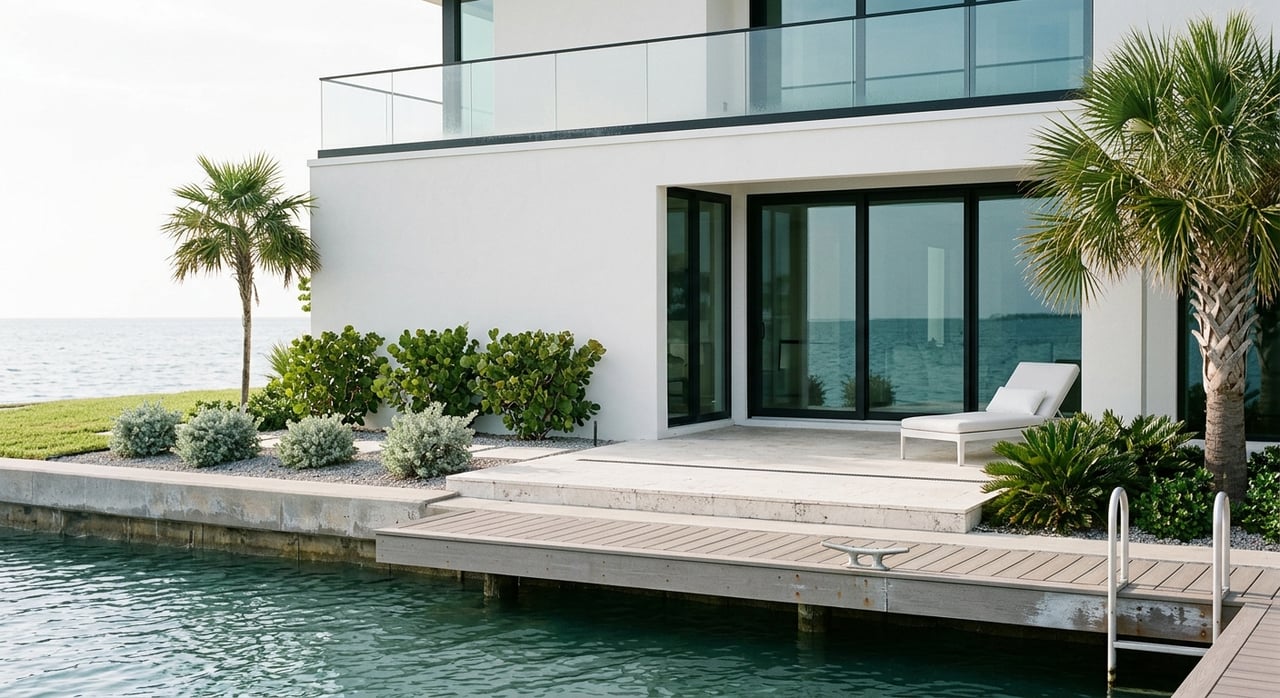
Some Treasure Island buyers are focused on waterfront living, especially along Boca Ciega Bay. City planning documents note that properties abutting the bay are often separated from the water by concrete seawalls.
That means your checklist should go beyond the house itself. If you are considering a bayfront property, include marine structures and shoreline features in your evaluation.
Waterfront Questions To Ask
- Is there a seawall?
- What visible condition is it in?
- Are there docks, lifts, or other marine features?
- What maintenance responsibilities come with the property?
- How do these features affect your ownership costs?
For a second home, these details matter even more because you may not be on-site year-round to monitor wear and tear.
Condo Buyers Need Extra Due Diligence
A condo can be appealing if you want a more lock-and-leave lifestyle. Still, buying a condo in Treasure Island requires close document review, especially if you may rent the unit or use it part-time.
Florida law gives resale condo buyers a current due-diligence packet that includes the declaration of condominium, articles of incorporation, bylaws, rules, the most recent year-end financial information, and the FAQ document. This is the core set of documents you should review before relying on fee levels, maintenance expectations, or rental flexibility.
What To Review In Condo Documents
- Monthly and special assessment obligations
- Rental restrictions
- Guest rules
- Pet rules
- Parking rules
- Storage limits
- Maintenance responsibilities
- Insurance boundaries between the association and the unit owner
Florida law also says unit owners, tenants, and guests are bound by the declaration, association documents, and bylaws, and associations may levy reasonable fines for violations. Written review is essential before closing.
Ask About Building Inspections And Reserve Studies
For older coastal condo buildings, structural review is a major part of due diligence. Florida requires milestone inspections for buildings that are three habitable stories or higher at 30 years of age, or at 25 years if local circumstances such as proximity to salt water justify an earlier trigger.
Florida also requires residential condominium associations to complete a structural integrity reserve study at least every 10 years for each 3-plus-story building. Associations existing on or before July 1, 2022 must have that study completed by December 31, 2025, or by December 31, 2026 if it is completed alongside the milestone inspection.
Condo Questions To Add Before Closing
- Has the building had a milestone inspection notice?
- Has the required inspection been completed?
- Is there a structural integrity reserve study?
- Do the financials reflect reserve obligations?
- Are there upcoming projects that may affect ownership costs?
These questions can help you better understand near-term expenses and the building’s planning process.
Clarify Condo Insurance Boundaries
Insurance can be especially confusing in condo purchases. Pinellas County notes that association flood policies typically cover common areas and certain building elements within the unit.
That is why you should confirm exactly where the association’s coverage ends and the owner’s policy begins. This step can help you avoid coverage gaps after closing.
If You Plan To Rent, Verify The Rules In Writing
Many second-home buyers want the option to offset costs through rentals. In Treasure Island, you should treat that as a research task, not an assumption.
The city’s zoning code uses the term tourist dwelling for single-family, two-family, or multifamily dwellings used or advertised for daily, weekly, monthly, or seasonal occupancy. The code also says a pattern of six or more occupancy turnovers in any 12-month period can create a rebuttable presumption that the property is being used as a tourist dwelling.
The same code says condo-hotel or transient segmented uses require proper licensing and annual occupational licenses, and that these units are subject to applicable tourist-tax collections when rented. If rental income is part of your plan, verify permitted use, licensing needs, and association rules before you buy.
Rental Checklist For Treasure Island
- Verify the allowed use of the property in writing
- Confirm association rental rules
- Understand turnover limits and occupancy patterns
- Ask who handles tax collection and remittance
- Review storm-prep and re-entry logistics for guests or managers
This is one of the most important parts of the process if the home will not be used only by you.
Know The Local Rental Tax Basics
At the tax level, Florida says transient rentals remain subject to state sales tax even after the 2025 repeal of sales tax on commercial rentals. Pinellas County also charges a 6 percent tourist development tax on accommodations such as hotels and private homes rented for six months or less.
Florida further says local option transient rental taxes can apply to accommodations in condominiums and other lodging types for terms of six months or less. If you plan to rent, make sure you understand how these taxes fit into your ownership plan.
Keep A Practical Second-Home Checklist
When you are narrowing down properties, it helps to keep one simple working checklist. That way, you can compare options clearly instead of deciding based on views or finishes alone.
Treasure Island Second-Home Checklist
- Define your personal-use and rental goals
- Review flood zone details early
- Price flood insurance separately
- Ask for an elevation certificate if available
- Understand evacuation and re-entry planning
- Budget for wind mitigation and storm-related costs
- Confirm second-home property tax expectations
- Review seawalls or marine structures on waterfront homes
- Read all condo or HOA documents carefully
- Ask about milestone inspections and reserve studies
- Confirm insurance responsibilities in condos
- Verify rental rules, licensing, and taxes in writing
A good second-home purchase balances lifestyle, carrying costs, and realistic ownership planning.
Buying in Treasure Island can be a great fit if you go in with clear expectations and strong local guidance. Whether you are looking for a beachfront condo, a bayfront property, or a low-maintenance coastal getaway, careful due diligence can help you protect your investment and enjoy the home more fully. If you want help comparing properties and navigating the details, connect with Yari Balmaseda for a personalized consultation.
FAQs
What should second-home buyers check first in Treasure Island?
- Start with flood risk, insurance costs, evacuation planning, and how you intend to use the property.
What flood insurance facts matter for Treasure Island buyers?
- Pinellas County says most homeowners policies do not cover flood damage, high-risk zones may require flood insurance for federally backed mortgages, and new flood policies usually take 30 days to become effective.
What condo documents should Treasure Island buyers review?
- Florida law provides resale condo buyers with a due-diligence packet that includes the declaration, bylaws, rules, financial information, and FAQ document.
What should buyers know about Treasure Island rental rules?
- Buyers should verify allowed use in writing, confirm association rental restrictions, and understand that local code regulates tourist dwelling use and occupancy turnover patterns.
What taxes apply if you rent out a second home in Treasure Island?
- Florida says transient rentals remain subject to state sales tax, and Pinellas County charges a 6 percent tourist development tax on accommodations rented for six months or less.
What storm access steps matter for Treasure Island owners?
- Pinellas County advises barrier-island residents and businesses to get an Emergency Access Permit and to bring ID, proof of residency, and the permit for re-entry after an evacuation.