Trying to choose between a bungalow and a townhome in Tampa Heights? You are not alone. This neighborhood gives you two very different buying paths, and each comes with its own price range, upkeep, and lifestyle tradeoffs. If you want to buy smart in central Tampa, it helps to understand how these homes differ before you fall in love with one. Let’s dive in.
Tampa Heights at a glance
Tampa Heights is one of central Tampa’s historic neighborhoods, and that history shapes what you will see on the market today. According to the City of Tampa, the Tampa Heights Historic District includes mainly single-family dwellings, with historic buildings dating from about 1890 to 1945.
That mix of older homes and newer infill creates a market where bungalows and townhomes can feel worlds apart. Current neighborhood pricing sits around the mid-$600,000s, with Redfin reporting a median sale price near $625,000. Redfin also describes Tampa Heights as moderately walkable, which adds to the appeal for buyers who want an in-town location.
Tampa Heights bungalows explained
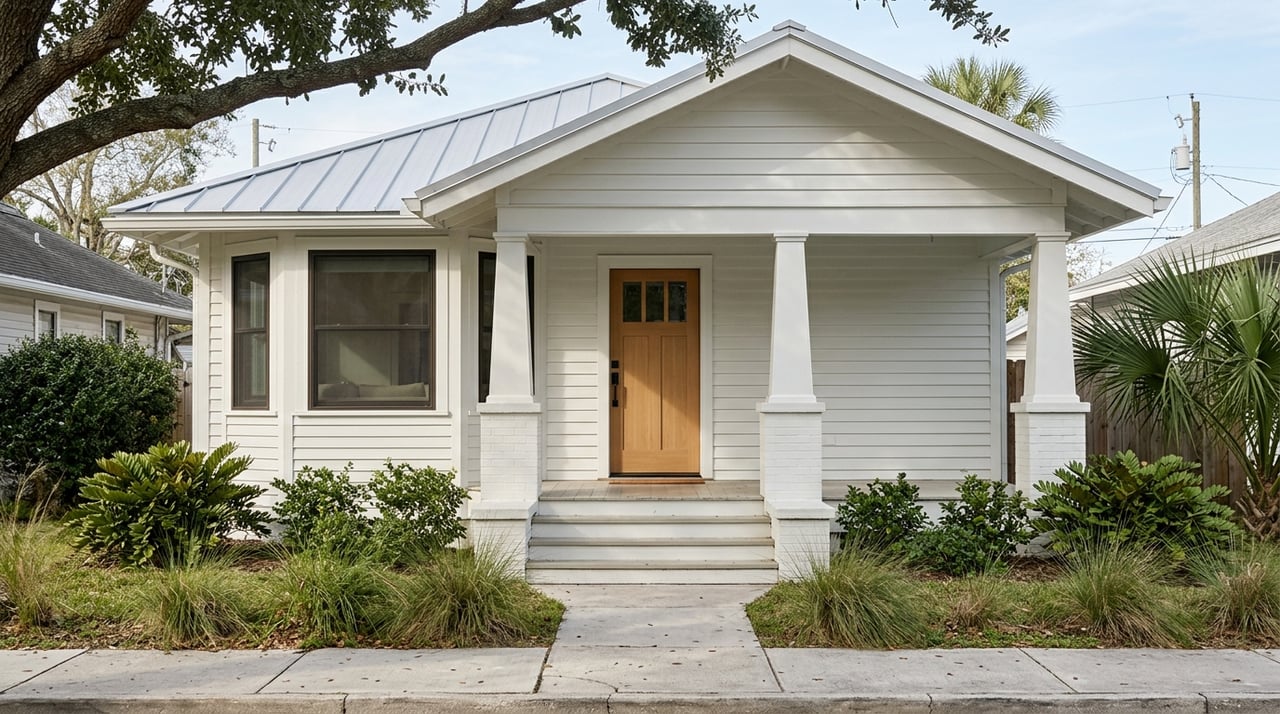
Bungalows are usually the character-rich option in Tampa Heights. If you are drawn to front porches, historic charm, and the idea of owning a home with architectural personality, this is often where your search starts.
Many bungalow-style homes in the area reflect the neighborhood’s older housing stock. In practical terms, current examples suggest buyers may see pricing from the low $300,000s for smaller or older homes up to the high $700,000s for renovated or newer bungalow-style homes. That is not a formal neighborhood statistic, but it is a useful buyer-facing range based on active and recent examples.
What buyers like about bungalows
Bungalows often appeal to buyers who want more than just square footage. They can offer:
- Historic character
- Potentially lower entry pricing than newer townhomes
- Renovation upside
- Detached-home living in a central Tampa location
For some buyers, that mix is hard to beat. You may be able to buy into Tampa Heights at a lower price point with an older bungalow than with a newer luxury townhome.
The maintenance tradeoff
The biggest caution with bungalows is condition. Older homes can come with aging systems or deferred maintenance that may not be obvious during a quick showing.
HUD’s FHA appraisal guidance notes that issues such as termites, roof wear, foundation damage, drainage problems, and inoperative plumbing, heating, or electrical systems can trigger further review or repairs. The CFPB also notes that a home inspection is different from an appraisal, and buyers often need both.
That means your inspection period matters. If you are considering a Tampa Heights bungalow, you should look closely at:
- Roof condition
- Electrical and plumbing systems
- HVAC performance
- Signs of moisture or drainage problems
- Foundation concerns
- Pest or termite evidence
Historic district rules matter
If the home is in the Tampa Heights Historic District, renovations may involve an extra layer of review. The City of Tampa says new construction and additions in the district require a Certificate of Appropriateness, and the city uses Tampa Heights design guidelines when reviewing work.
Those guidelines focus on compatible scale, massing, materials, windows, doors, and overall quality. In plain terms, you do not necessarily have to copy an old home exactly, but your changes may need to fit the historic context.
Tampa Heights townhomes explained
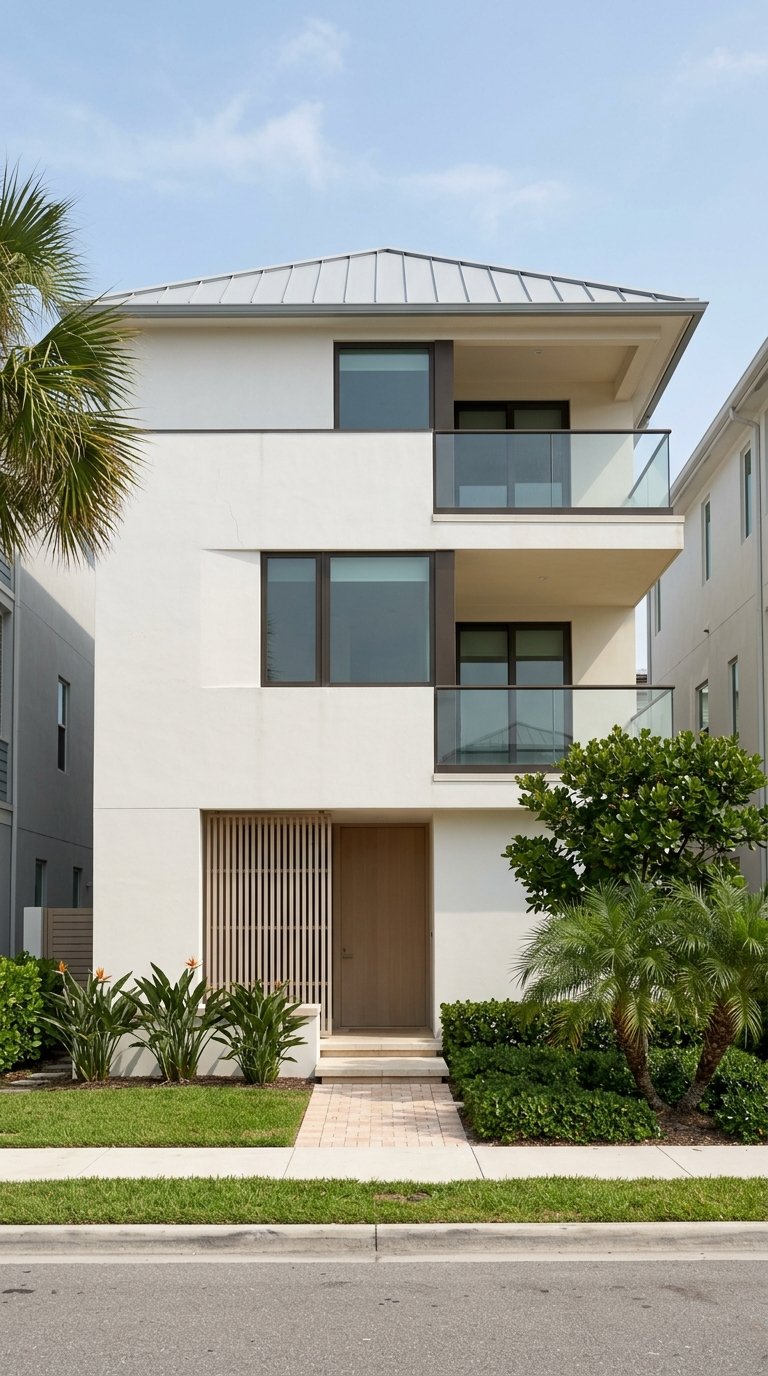
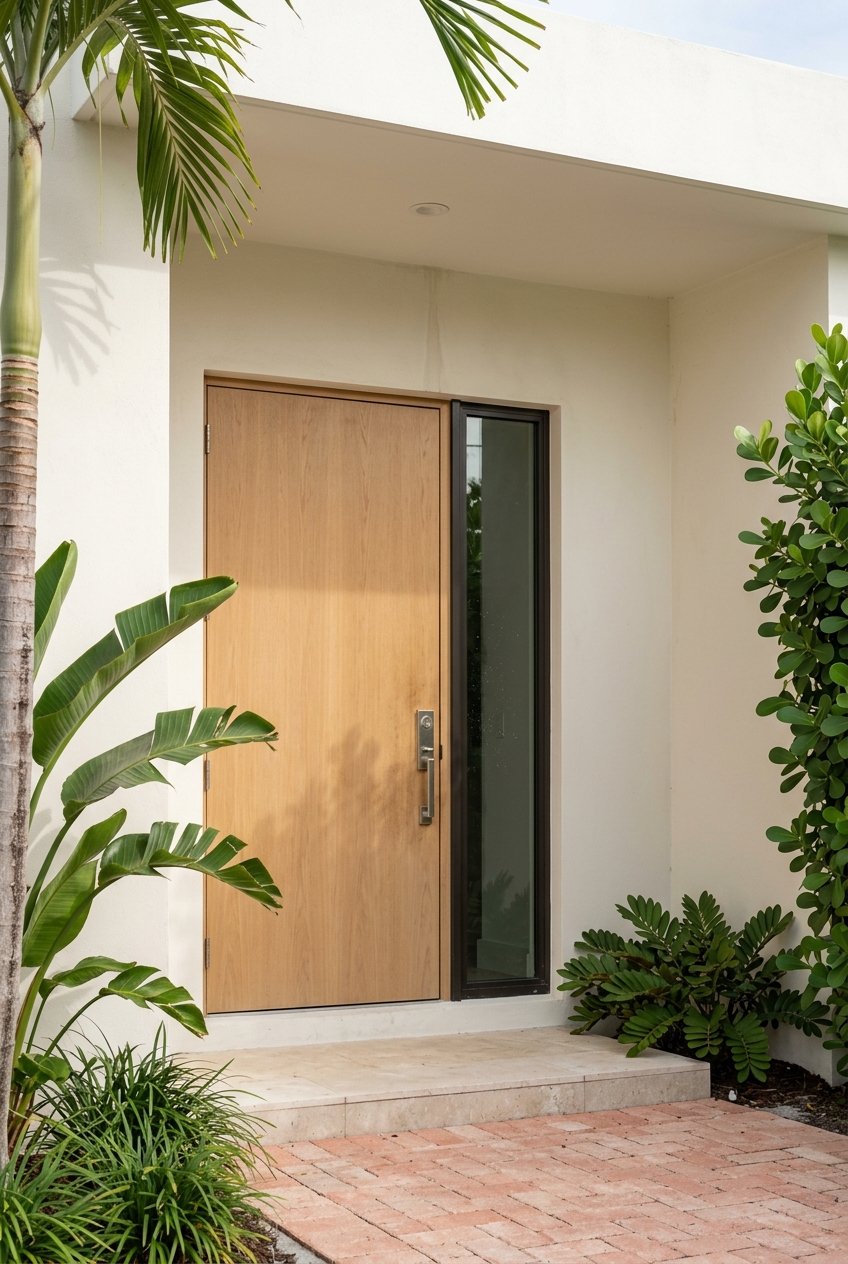
Townhomes are usually the newer, more streamlined option in Tampa Heights. If you want modern finishes and less exterior upkeep, this side of the market may feel more predictable.
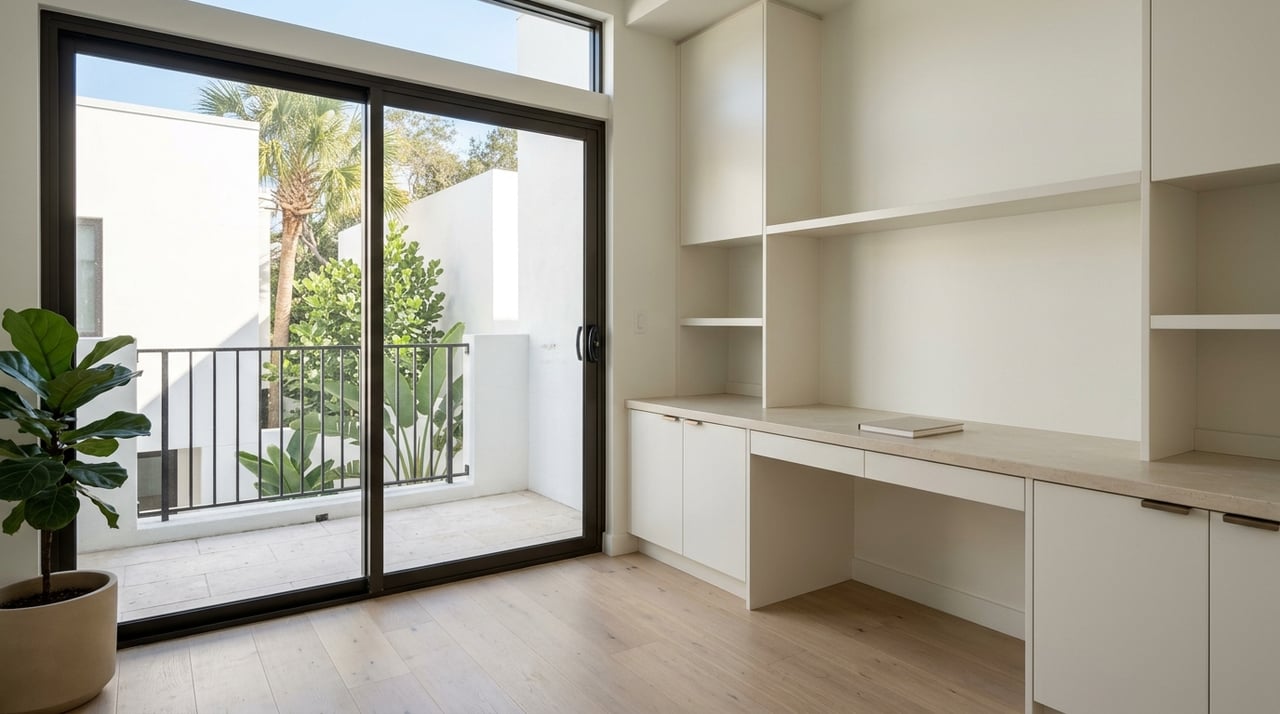
Current Tampa Heights townhome listings show why pricing tends to run higher. Features may include impact glass, rooftop decks, private elevators, garages, and upgraded interior finishes.
What townhomes typically cost
Townhomes in Tampa Heights currently sit well above the broader neighborhood median in many cases. Research shows a median listing price around $897,000, with current examples ranging from about $650,000 to $1.595 million.
That price gap is important when you compare options. A bungalow may offer a lower purchase price, while a townhome may offer newer construction and fewer repair surprises, but usually at a higher upfront cost.
Why buyers choose townhomes
Townhomes often fit buyers who want convenience. They can be a strong match if you prefer:
- Newer construction
- Updated finishes
- Lower exterior maintenance
- Attached garages
- Urban-style layouts
- Amenities like rooftop outdoor space or elevators
For buyers relocating to Tampa or moving up from a condo, this can feel like a comfortable middle ground between a single-family home and a fully shared-building setup.
The HOA factor
The biggest due-diligence issue with townhomes is often the homeowners association. Current Tampa Heights examples show HOA fees ranging from roughly $230 to $675 per month on some homes.
Florida law says buyers should review the covenants and governing documents before purchasing. It also warns that assessments can change and that unpaid assessments can become a lien on the property.
Before you buy a townhome, make sure you understand:
- Monthly HOA dues
- What the HOA covers
- Rules on exterior changes or rentals
- Any current or possible future assessments
- Budget impact alongside taxes and insurance
Bungalow vs. townhome in Tampa Heights
If you are deciding between the two, the simplest way to frame it is character versus convenience. Both can be great options, but they serve different priorities.
| Feature | Bungalow | Townhome |
|---|---|---|
| Typical appeal | Historic charm and individuality | Newer finishes and easier upkeep |
| Price range | Often broader, from lower entry points to renovated premium homes | Typically higher price points |
| Maintenance | Usually higher and less predictable | Often lower on exterior maintenance |
| Due diligence focus | Condition, repairs, inspection findings | HOA documents, dues, ownership structure |
| Renovation potential | Often strong | Usually more limited by HOA or design |
If you value charm, flexibility, and the feel of a detached home, a bungalow may be the better fit. If you want a more lock-and-leave lifestyle with modern features, a townhome may make more sense.
Financing details buyers should not ignore
No matter which property type you choose, financing and due diligence can shape the whole experience. The CFPB advises buyers to make offers contingent on financing and a satisfactory inspection so you are not locked in if major issues appear.
That matters a lot in Tampa Heights, where older homes may need repairs and newer homes may come with HOA costs that affect your true monthly payment. The CFPB also advises buyers to give lenders property tax and HOA information so the Loan Estimate reflects the real cost of ownership.
For bungalow buyers
With older homes, lenders may focus more closely on property condition. If the inspection or appraisal reveals major repair issues, repairs may be required before closing or funds may need to be set aside after closing.
This is one reason it helps to keep room in your budget for surprises. A lower purchase price does not always mean a lower total cost if the home needs work right away.
For townhome buyers
With townhomes, financing may be simpler on the repair side, but not always cheaper overall. The CFPB notes that some attached-home properties can carry slightly different lending costs, so buyers should confirm whether the property is a fee-simple townhome or condo-style ownership and compare multiple Loan Estimates.
That distinction can affect both financing and monthly expenses. It is worth clarifying early, especially if you are comparing several attached-home options.
New construction details
If you are considering a newly built townhome or bungalow-style home, there are a few extra questions to ask. The CFPB says builders may request earnest money deposits, and you should ask when those deposits are refundable.
The CFPB also notes that builders often work with affiliated lenders, but you can still shop around. For FHA-insured new construction, HUD’s warranty form reflects a one-year warranty period for defects in workmanship and materials.
Budgeting beyond the purchase price
In Tampa Heights, your home budget should go beyond the listing price. The CFPB advises buyers to get an informal insurance estimate before committing, and notes that homes in a designated Special Flood Hazard Area generally require flood insurance.
Closing costs also matter. The CFPB says they typically run about 2% to 5% of the purchase price, so your total cash needed may be higher than expected.
When you build your budget, include:
- Down payment
- Closing costs
- Insurance
- Possible flood insurance if required
- HOA dues for townhomes
- Immediate repairs or updates for older homes
This fuller budget view can help you compare a lower-priced bungalow with repair needs against a higher-priced townhome with steady HOA dues.
Which option fits your goals?
The right answer depends on how you want to live and what kind of ownership experience you want. Neither option is automatically better. The better choice is the one that matches your budget, risk tolerance, and day-to-day priorities.
A bungalow may be right for you if you love historic homes, want more renovation upside, and are comfortable doing deeper inspection work. A townhome may be right for you if you want modern design, lower exterior maintenance, and a more turnkey experience.
In a neighborhood like Tampa Heights, small details can make a big difference from block to block and property to property. Having local guidance can help you spot which homes are priced for their condition, which ones may carry more future costs, and which ones truly fit your goals.
If you are weighing bungalows against townhomes in Tampa Heights, working with a local team can help you compare the numbers, the condition, and the long-term fit with more confidence. To talk through your options with a boutique brokerage that knows central Tampa, schedule a free consultation with Yari Balmaseda.
FAQs
What is the typical price range for bungalows in Tampa Heights?
- Current examples suggest a practical buyer-facing range from the low $300,000s for smaller or older homes up to the high $700,000s for renovated or newer bungalow-style homes.
What is the typical price range for townhomes in Tampa Heights?
- Current research shows townhomes with a median listing price around $897,000, with examples ranging from about $650,000 to $1.595 million.
What should buyers inspect in a Tampa Heights bungalow?
- Buyers should pay close attention to roof condition, plumbing, electrical systems, HVAC, foundation issues, drainage, and any signs of termites or moisture problems.
What should buyers review before buying a Tampa Heights townhome?
- Buyers should review HOA dues, governing documents, what the HOA covers, any rules that affect use or changes, and the possibility of future assessments.
Are renovations in the Tampa Heights Historic District reviewed by the city?
- Yes. The City of Tampa says new construction and additions in the historic district require a Certificate of Appropriateness and are reviewed under Tampa Heights design guidelines.
How much should buyers budget for closing costs in Tampa Heights?
- The CFPB says closing costs typically run about 2% to 5% of the purchase price, so buyers should plan for that in addition to the down payment, insurance, and any repairs or HOA dues.