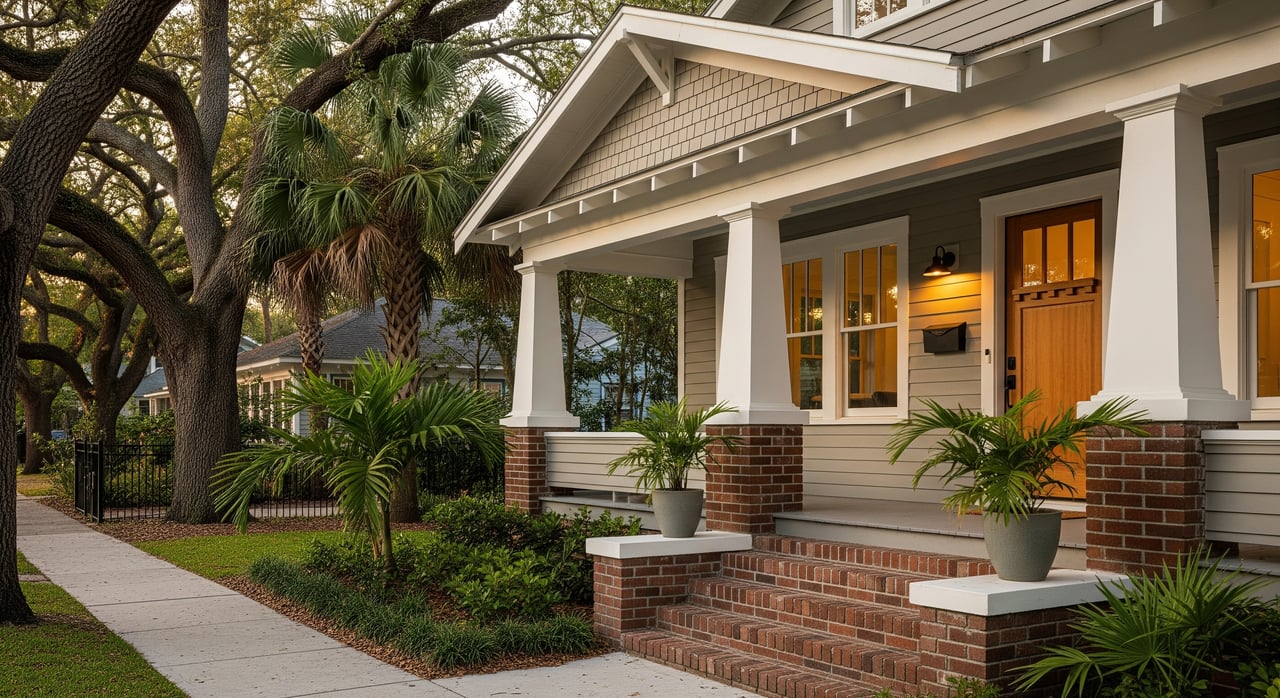
Ready to buy your first home in Tampa Heights but not sure where to begin? You’re not alone. You want a great location, a smart budget, and clear steps that reduce surprises. In this guide, you’ll learn how Tampa Heights works for first-time buyers, what to expect from its homes, and how to plan your financing, inspections, and offer strategy. Let’s dive in.
Why Tampa Heights appeals
Tampa Heights sits just north of downtown and the Hillsborough River, close to the Riverwalk and Armature Works. You get quick access to restaurants, cafés, and events without a long commute. Many buyers value this walkable, lifestyle-forward setup, especially in the blocks nearest the river. That convenience often commands a premium, so preparation matters.
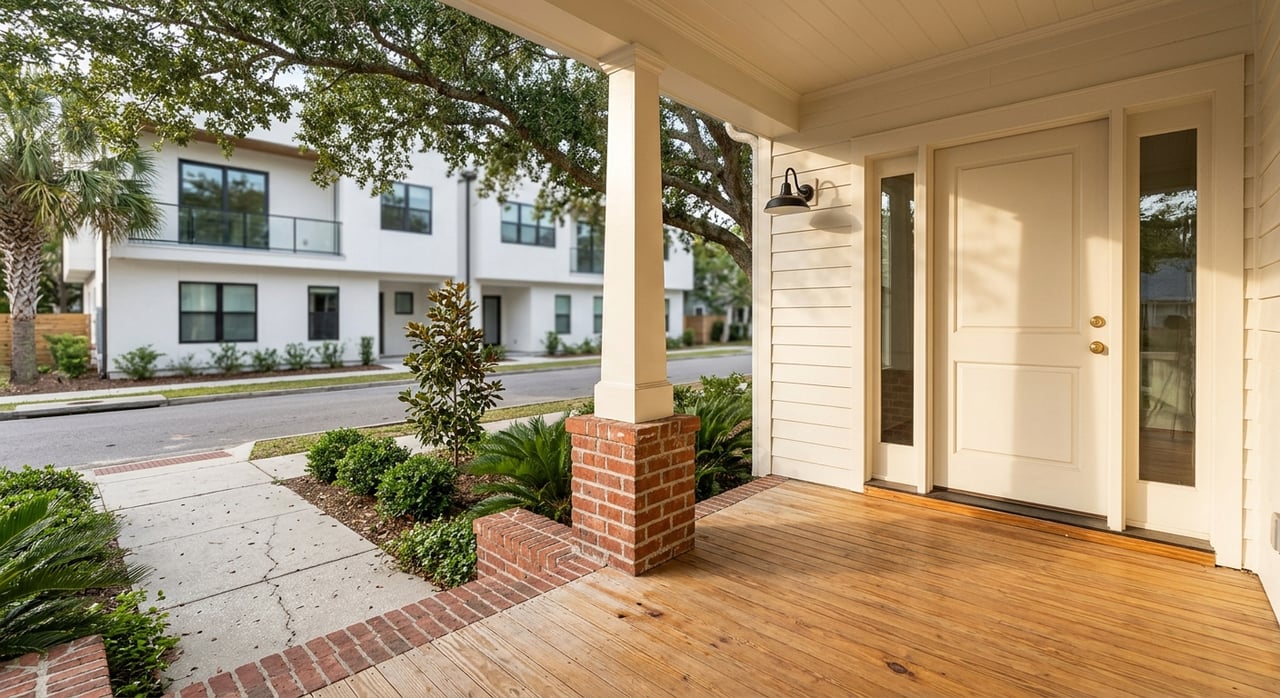
You’ll find a mix of historic early 20th century bungalows and Craftsman cottages alongside new infill townhomes. Some streets have a neighborhood revitalization feel with renovated homes next to modern builds. With this variety, you can choose between character-rich properties and low-maintenance newer options.
What you’ll find in homes
Historic bungalows and cottages
Older single-family homes often sit on smaller lots and may be one or one-and-a-half stories. Expect charm and character, plus common Florida maintenance items. Roof age, HVAC lifespan, plumbing in older systems, and electrical updates are key points to review. Moisture, mold, and termite risk are also routine checks.
Newer townhomes and condos
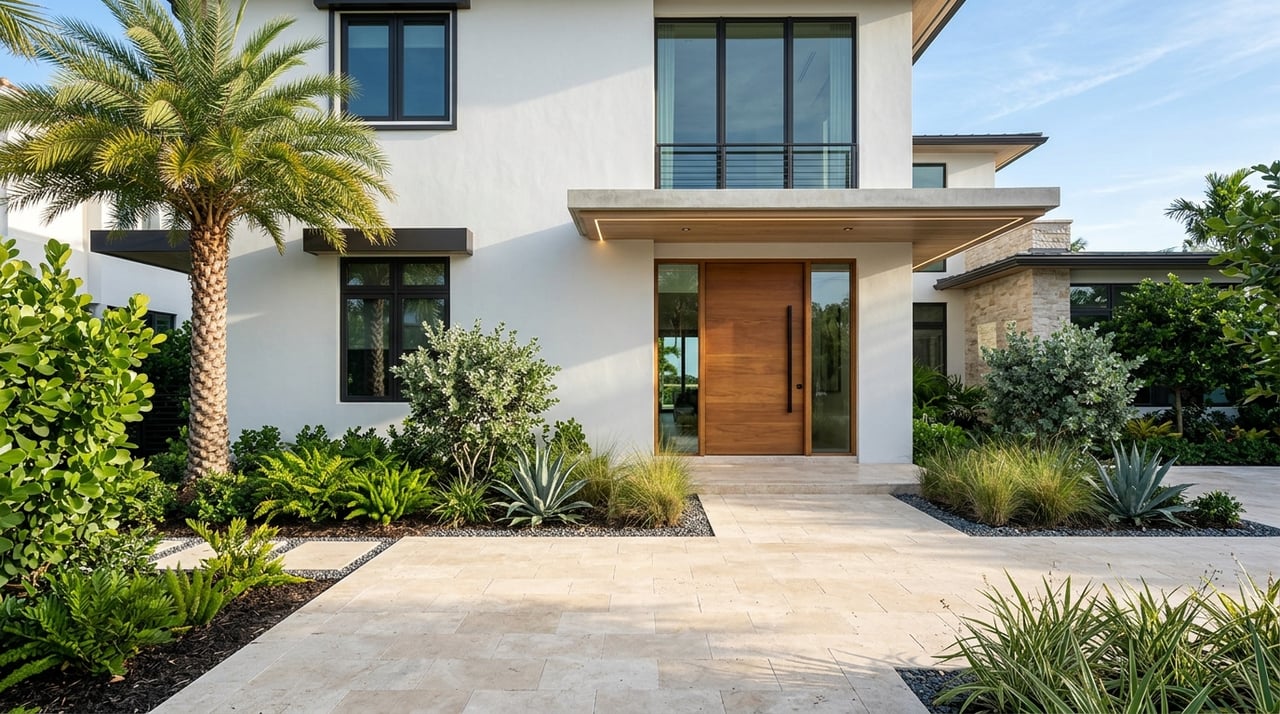
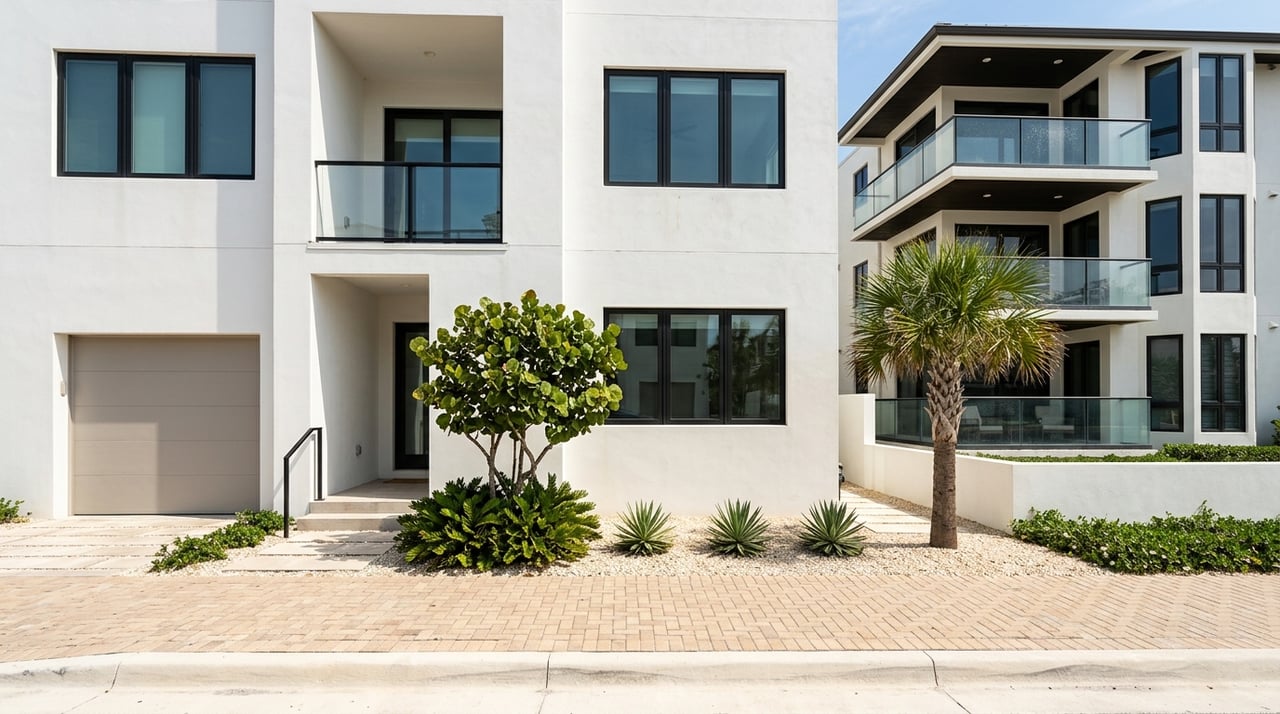
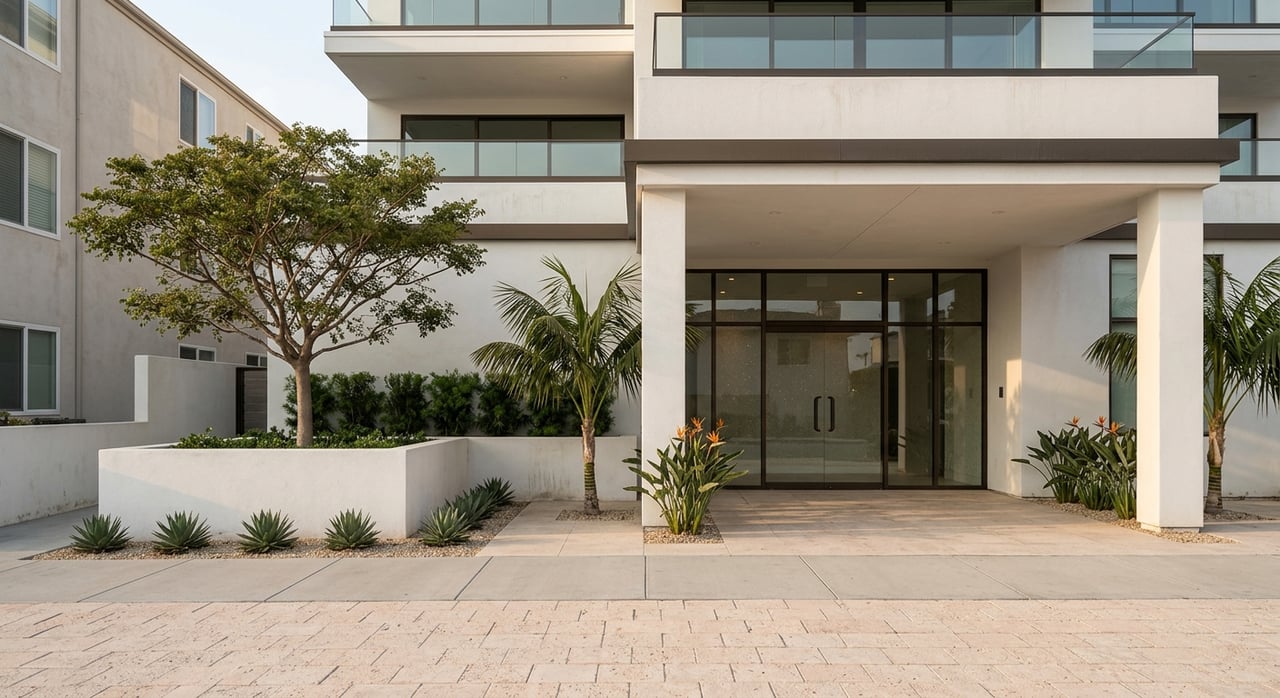
Infill townhomes and stacked condos are common, especially on subdivided lots. Many newer homes include modern features like impact windows and updated HVAC. Some developments have HOAs with rules, monthly fees, and possible assessments. Review rental policies and short-term rental rules if you plan to rent in the future.
Larger lots and rebuilds
A limited number of single-family homes on larger lots may present renovation or rebuild potential where zoning allows. If you plan an addition or exterior changes, confirm whether a historic overlay or design review applies. Rules can affect timelines, budgets, and scope.
Budget and financing basics
Strong financing prep gives you an edge, especially near the most walkable blocks. Get a lender pre-approval with full documentation, not just a pre-qualification. If competition is high, ask your lender about a pre-underwritten mortgage to speed up approval and strengthen your offer.
Plan for more than your down payment. Buyers commonly budget about 2 to 5 percent of the purchase price for closing costs, though your lender and title company can estimate your specifics. Add moving costs, an initial repair or upgrade buffer, and any HOA dues. If flood insurance is needed, factor that into monthly affordability.
Explore first-time buyer programs that may help with down payment or closing costs. The Florida Housing Finance Corporation and Hillsborough County homeownership programs update often, so confirm your eligibility, income limits, and program terms with a local lender or the program administrator.
Search strategy that works
Choose an agent who knows Tampa Heights and the local MLS. A local expert can help you read the micro-markets, understand block-by-block differences, and flag upcoming listings. They can also pull comps that public websites may miss.
Prioritize what matters most to you. Consider block character, proximity to the Riverwalk and Armature Works, home size, roof and HVAC age, elevation and flood risk, lot coverage for future expansion, and any HOA or historic rules. Visit at different times of day and week to gauge traffic, noise, and activity.
If you plan to renovate or add on, map potential historic overlays early. Confirm whether exterior changes require review and whether any prior additions were permitted. This saves time and reduces risk once you find the right home.
Inspections and due diligence
Core inspections to order
Schedule a general home inspection that covers structure, roof, HVAC, plumbing, and electrical. In Florida, a wood-destroying organism inspection is routine. Consider a wind mitigation inspection to identify insurance credits for features like roof straps and impact windows. If you see signs of water intrusion, add a mold or moisture evaluation.
If the home is near flood-prone areas, consider a survey and an elevation certificate. Check FEMA Flood Insurance Rate Maps to understand the zone. Even if a lender does not require flood insurance, you may still want coverage based on elevation and proximity to water.
Permits and historic overlays
Review the City of Tampa permit history for additions, porch enclosures, garage conversions, or major system changes. Unpermitted work can affect financing, insurance, safety, and future resale. If a property falls in a historic overlay, budget time for design review of exterior changes.
Parking and access
Older bungalows may lack off-street parking or have narrow driveways. Newer townhomes often include garages, but confirm deeded spaces and street parking rules. If parking is a key need, evaluate this early in your search.
Offer strategy in competitive blocks
Being prepared helps you move fast and negotiate well. Submit a strong pre-approval and proof of funds with your offer. Earnest money is commonly used to show good faith, and many markets see 1 to 3 percent of the purchase price. Local norms may vary, so align with your agent.
Use contingencies wisely. Standard protections include inspection, financing, appraisal, and title. In competitive homes, some buyers reduce or waive contingencies, which increases risk. Understand these risks with your agent and lender before you adjust any terms.
Consider tools like escalation clauses and appraisal gap coverage if you expect multiple offers. Both carry financial risk and require coordination with your lender and title company. Discuss a clear ceiling and your comfort level before you deploy them.
Closing, insurance, and move-in
A typical closing timeline runs about 30 to 45 days after contract acceptance. Your title company will handle the title search and title insurance. Ask early about any easements, encroachments, or restrictive covenants that could affect your use of the property.
Homeowner’s insurance is essential, and flood coverage may be required if the home is in a Special Flood Hazard Area. Even outside mapped zones, consider flood insurance if the home sits at a lower elevation or near water. In Tampa, wind and hurricane coverage is a key part of your policy. A wind mitigation report may help with premium credits.
Plan your move-in steps with a simple checklist. Confirm utilities and trash pickup, schedule contractors for initial repairs, and set aside time for deep cleaning and locks. If there is an HOA, secure copies of rules, budgets, and contacts in case you need approvals for future projects.
Common pitfalls to avoid
- Skipping a termite inspection. Florida’s climate makes wood-destroying organisms a real risk. Always order the inspection and ask about treatment history.
- Overlooking permit history. Unpermitted work can stall financing and add costly fixes. Check City of Tampa records before you waive your inspection period.
- Underestimating insurance. Get quotes early for homeowner’s and, if applicable, flood insurance. Include these in your monthly budget.
- Missing HOA or rental rules. If you are buying a townhome or condo, review HOA assessments, reserves, and rental restrictions. If you plan to rent short term, also check city and county rules.
- Assuming you can easily expand. Historic overlays and lot coverage limits can shape what you can build. Verify before you buy.
Quick Tampa Heights buyer checklist
- Get a full pre-approval with income and credit verification.
- Choose a local agent who knows Tampa Heights and the MLS.
- Map target blocks for walkability, historic overlays, and flood zone.
- Tour at different times; ask about roof, HVAC age, and permits.
- Order general, termite/WDO, and wind mitigation inspections; add mold if needed.
- If near flood-prone areas, order a survey and confirm elevation.
- Get homeowner’s and flood insurance quotes early.
- Budget for closing costs, HOA dues if applicable, and an initial repair fund.
Work with a neighborhood-first team
Buying your first home is a big milestone. You deserve a local partner who understands Tampa Heights block by block, explains each step in plain language, and advocates for your goals. With boutique, hands-on service and clear communication, you can move from search to closing with confidence.
If you’re ready to take the next step, connect with Yari Balmaseda to map your budget, refine your search, and craft a winning strategy. Schedule a Free Consultation and let’s get you home.
FAQs
How competitive is Tampa Heights for first-time buyers?
- Competition is strongest for renovated bungalows and turnkey townhomes near central amenities; get pre-approved early and be ready for multiple-offer scenarios.
What inspections matter most for older bungalows in Tampa Heights?
- Order a general inspection, termite/WDO, and wind mitigation; add mold or moisture checks if you see signs of water intrusion.
Do I need flood insurance in Tampa Heights?
- Check FEMA flood maps and the home’s elevation; lenders require flood insurance in Special Flood Hazard Areas, and you may want it even outside mapped zones.
Can I renovate or add on in Tampa Heights?
- It depends on zoning and whether the property is in a historic overlay; confirm rules and permit requirements with the City of Tampa before you buy.
What costs should I budget beyond the down payment?
- Plan for 2 to 5 percent in closing costs, moving expenses, an initial repair buffer, insurance, and any HOA dues.
Are HOAs common with Tampa Heights townhomes?
- Many newer townhome communities have HOAs with rules, monthly fees, and possible assessments; review documents early, including rental restrictions.