If you market a South Tampa home like it could be anywhere, you can miss the buyers most likely to care. Sellers here are not competing in one simple market. They are competing in a collection of distinct neighborhoods, price points, and property styles, each with its own pace and appeal. That is why a boutique marketing strategy can make a real difference. When your plan is tailored to your exact home, your block, and your likely buyer, your listing has a better chance to stand out from day one. Let’s dive in.
Why South Tampa Needs a Targeted Plan
South Tampa is not one uniform housing market. The City of Tampa neighborhood maps show a patchwork of micro-markets with very different identities and selling points.
That matters because buyers do not view Hyde Park, Davis Islands, Ballast Point, Sunset Park, Beach Park, and Westshore Palms the same way. A home near Bayshore Boulevard may need a very different story than a property in a compact 33609 corridor or on a waterfront street. If your marketing sounds too broad, it can blur what makes your home worth a closer look.
Local market data supports that point. In February 2026, median days on market ranged from 21 in Hyde Park to 185 in Sunset Park, while median sale prices ranged from $473,000 in Ballast Point to $1,169,620 in Sunset Park, according to South Tampa neighborhood market data. That is a wide spread, and it shows why a one-size-fits-all launch usually falls short.
What Boutique Marketing Really Means
Boutique marketing is not just about making a listing look polished. It is about building a plan around the home’s location, condition, price range, and likely buyer behavior.
For South Tampa sellers, that often means a more hands-on approach before the home goes live. It can include decluttering, cleaning, small repairs, strategic staging, strong visual assets, neighborhood-specific copy, and pricing that reflects your exact micro-market instead of a broad county average.
This kind of approach fits how buyers search today. The first showing is often digital, which means your home needs to make an impression before a buyer ever schedules a tour.
Start With a Digital-First Launch
According to the 2025 NAR Profile of Home Buyers and Sellers, 46% of buyers first looked online for properties, 52% ultimately found the home on the internet, and 70% used a mobile or tablet search device. The same report found that photos, detailed property information, floor plans, and online video were all highly useful in the search process.
For you as a seller, that means your listing presentation is not a bonus. It is central to how buyers judge value and decide whether your home is worth seeing in person.
Use Photos That Tell a Clear Story
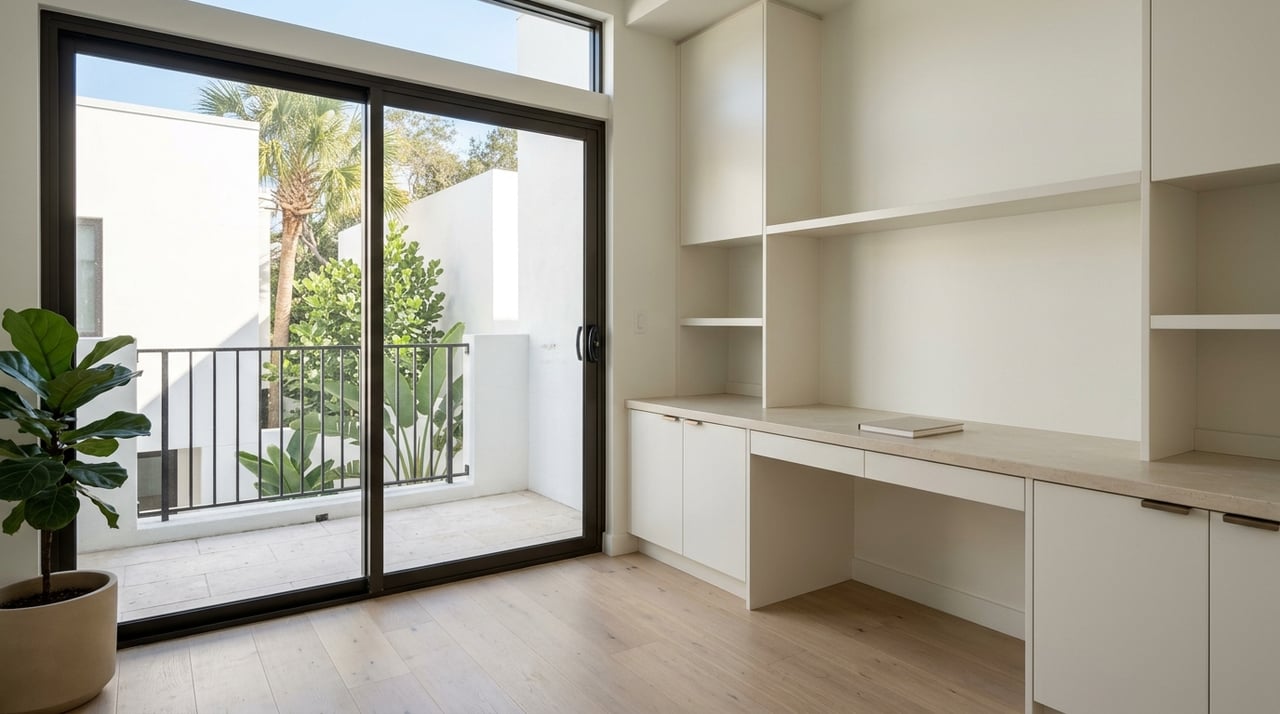
Professional photography matters because buyers often decide in seconds whether they want to keep scrolling or stop. Clean, bright, accurate images help your home feel trustworthy and memorable.
The goal is not just to show rooms. It is to show flow, natural light, scale, and the features that fit your area, whether that is historic character, water views, outdoor living, or lot size.
Add Floor Plans and Video
Photos grab attention, but floor plans and video help buyers understand how the home lives. That extra context can be especially helpful for relocation buyers, busy professionals, and anyone comparing several South Tampa options online.
In a market where many buyers start on their phones, better visuals can help your listing feel more complete and easier to evaluate.
Focus Staging Where It Counts Most
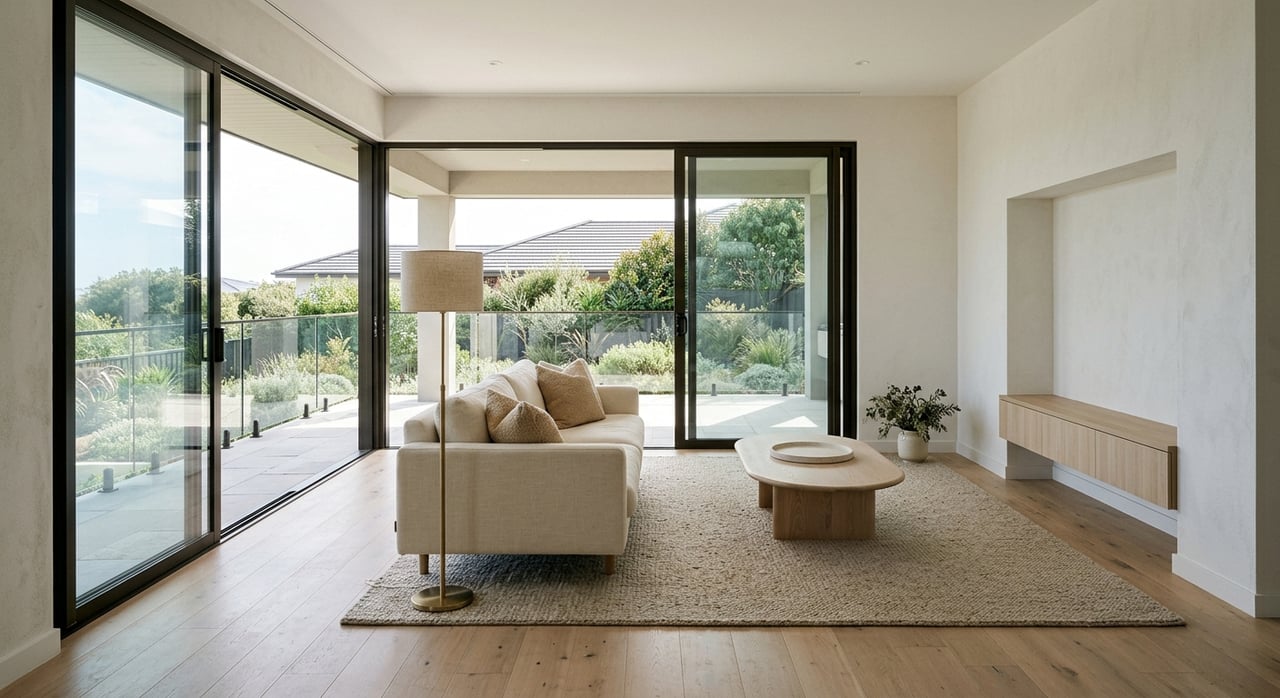
Staging does not have to mean furnishing every room from scratch. Often, the best results come from focusing on the spaces buyers care about most.
The 2025 NAR Profile of Home Staging found that sellers’ agents viewed photos as important for 88% of listings, videos for 47%, and traditional physical staging for 43%. It also found that the most common pre-listing recommendations were decluttering the home, whole-home cleaning, and improving curb appeal.
Prioritize Key Rooms
NAR reported that the most commonly staged rooms were:
- Living room
- Primary bedroom
- Dining room
- Kitchen
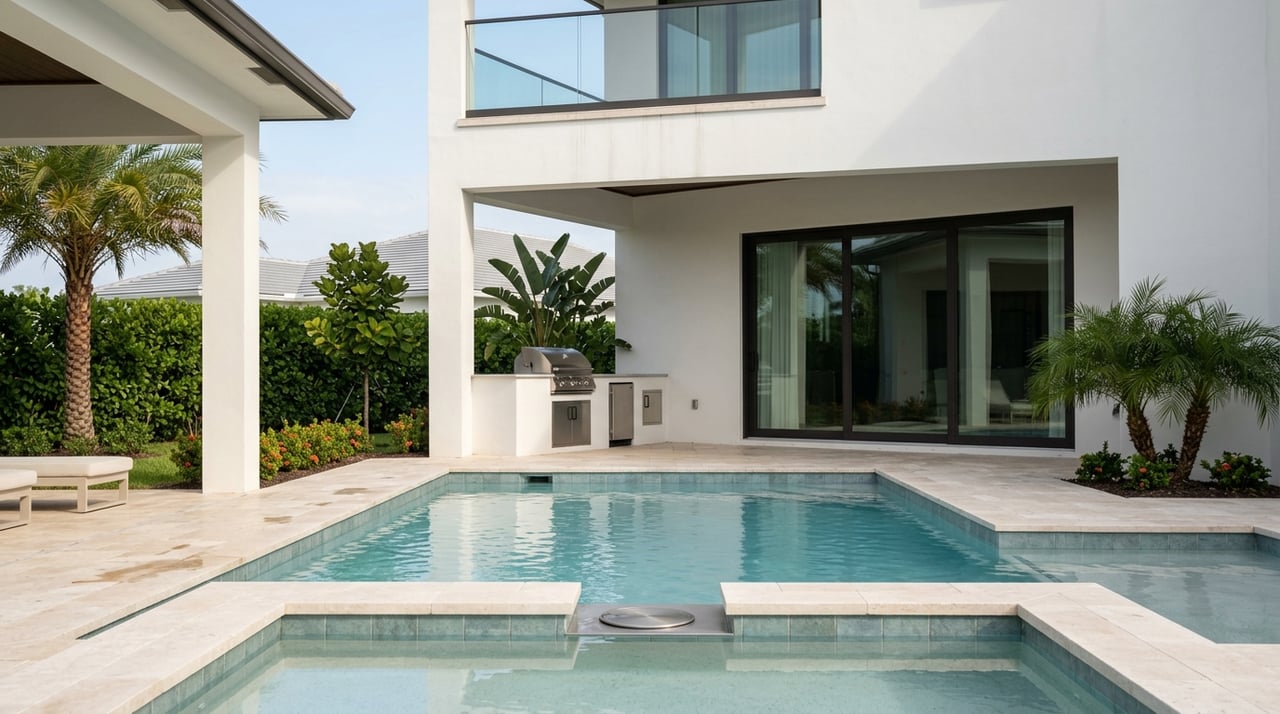
If you want to be selective with your budget, those are often the best places to start. In South Tampa, outdoor areas may also deserve attention, especially if your home has a porch, pool, patio, water view, or entertaining space.
Remember the Possible Payoff
The same NAR report found that many agents saw staging help with both price and timing. Some reported higher dollar value offered, while 49% said staging slightly or greatly decreased time on market.
That does not guarantee a specific result for every home, but it does support a practical idea: presentation can influence how quickly buyers connect with a listing and what they believe it is worth.
Price for Your Micro-Market
Pricing is one of the most important parts of any boutique strategy because even strong marketing cannot fully fix a pricing miss. In Hillsborough County, Realtor.com market data described the market as balanced in February 2026, with 10,509 homes for sale, a median days on market of 69, a sale-to-list ratio of 98%, and homes selling for 2.15% below asking on average.
For higher-end homes, timing can stretch further. The same research summary notes that Florida Realtors’ January 2026 Hillsborough County report showed 18 closed sales for homes priced at $1,000,000 or more and a median time to contract of 108 days in that luxury segment.
That is especially relevant in South Tampa, where many listings sit in upper price ranges. If your home is priced based on a broad county average instead of nearby comparable sales, you can lose momentum early.
Why One Benchmark Is Not Enough
A home in Hyde Park is not competing on the same terms as a home in Sunset Park or Ballast Point. Even nearby neighborhoods can show very different median prices and market times.
That is why pricing should be built from recent, relevant comps tied to your sub-neighborhood, home style, lot characteristics, and condition. A boutique brokerage can be especially helpful here because the strategy can stay focused on the details that matter most to your exact listing.
Match the Message to the Neighborhood
One of the biggest advantages of boutique marketing is better storytelling. Instead of generic phrases, your listing can highlight the details that make your specific area appealing.
The City of Tampa’s neighborhood pages offer a useful framework for this. They show how each part of South Tampa has its own character and buyer draw.
Historic and Architectural Appeal
In places like Historic Hyde Park and Beach Park, official descriptions emphasize established streets, mature trees, larger lots, and distinctive architecture. If your home fits that setting, the marketing should reflect those concrete traits rather than rely on vague luxury language.
Waterfront and Outdoor Lifestyle
In Davis Islands, Ballast Point, and Sunset Park, the local message may lean more on parks, water views, waterfront streets, and proximity to downtown. If your home offers outdoor entertaining space, boating access, or view-oriented living, those details should be front and center.
Access and Convenience
For areas like Westshore Palms, where the neighborhood is clearly bounded and tied to a specific corridor, convenience and location efficiency may matter more in the marketing story. In that case, strong copy should focus on the real features of the area and the property, not generic claims.
Build a Pre-Listing Checklist
A boutique strategy works best when you prepare before your listing hits the market. That helps your home show well online, photograph cleanly, and feel move-in ready when buyers visit.
A strong pre-listing checklist can include:
- Decluttering main living areas
- Deep cleaning the entire home
- Completing minor repairs
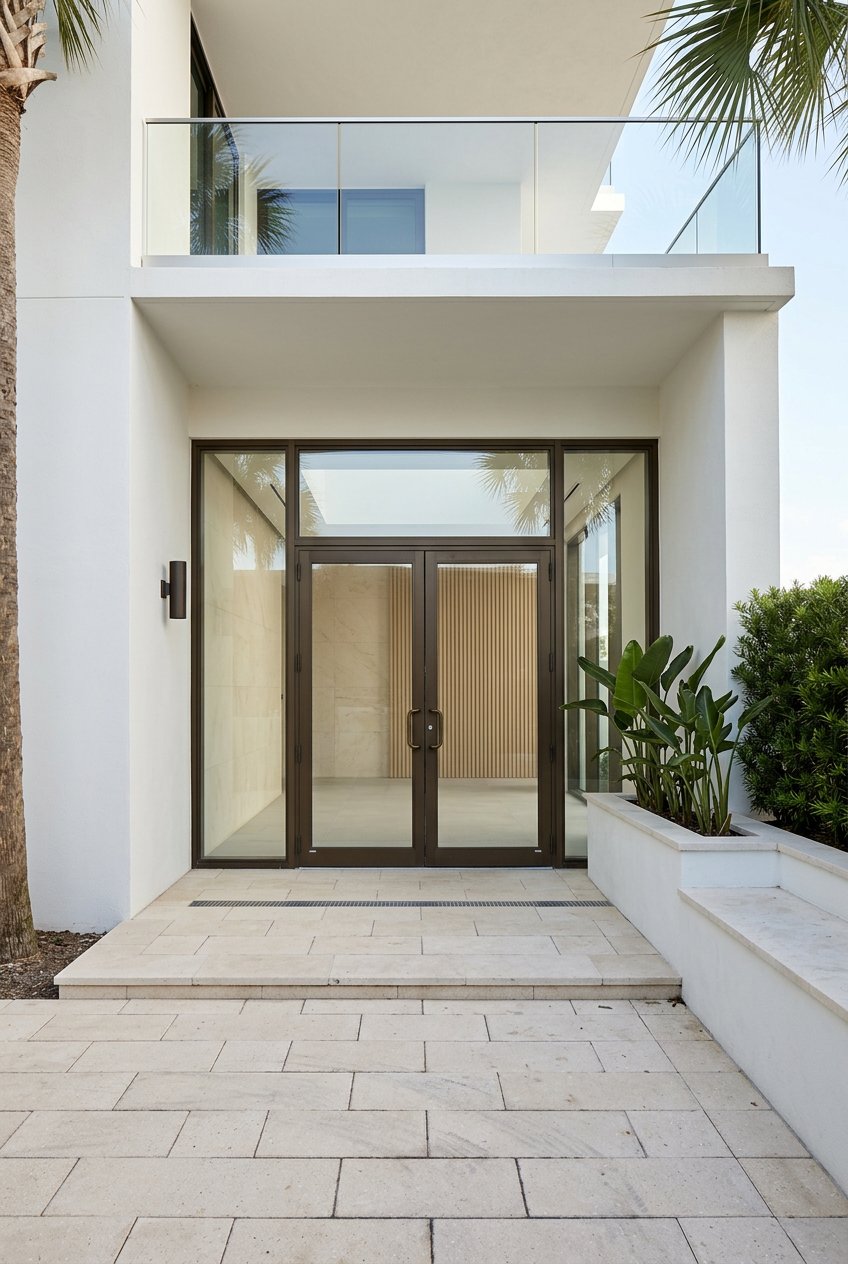
- Refreshing curb appeal
- Staging the most visible rooms
- Capturing professional photography
- Adding floor plans and video
- Writing neighborhood-specific listing copy
- Reviewing pricing against true local comps
Each step supports the same goal: helping buyers understand your home’s value quickly and confidently.
Why Hands-On Service Matters
A boutique approach is also about communication and execution. Selling in South Tampa often requires more than uploading photos and waiting for showings.
You need a plan that adapts to your property, your timing, and your neighborhood. That can be especially important if your home is in a higher price bracket, has unique features, or sits in a submarket where buyers take longer to make decisions.
When your brokerage is hands-on, you are more likely to get thoughtful pricing guidance, stronger property positioning, and a launch plan built around how buyers actually shop today.
The Bottom Line for South Tampa Sellers
If you are selling in South Tampa, boutique marketing is not about adding fluff. It is about making sure your home is priced accurately, presented professionally, and positioned in a way that fits its exact neighborhood.
In a market where buyer attention starts online and local conditions can change sharply from one area to the next, the best strategy is often the one built specifically for your home. If you want a personalized plan for your South Tampa property, connect with Yari Balmaseda for a warm, hands-on consultation.
FAQs
What makes South Tampa home marketing different from other Tampa areas?
- South Tampa includes several distinct micro-markets, and neighborhood data shows meaningful differences in pricing and days on market, so your strategy should reflect your exact sub-neighborhood.
Does staging really help when selling a South Tampa home?
- According to NAR’s 2025 staging report, many agents said staging helped reduce time on market, and some reported higher dollar value offered, especially when key rooms were staged well.
Why should South Tampa sellers focus so much on digital marketing?
- NAR data shows many buyers start online, often on mobile devices, and rely heavily on photos, floor plans, video, and detailed property information before booking a showing.
How should a South Tampa home be priced?
- Your home should be priced using recent comparable sales from your specific micro-market, with close attention to condition, property type, and neighborhood trends rather than a broad countywide average.
Which rooms matter most when preparing a South Tampa listing?
- NAR’s staging survey found that living rooms, primary bedrooms, dining rooms, and kitchens were the most commonly staged rooms, making them strong priorities for pre-listing preparation.